Kassel: Helios expands its pain management services
The new department will be organizationally closely linked with the already established palliative care and geriatrics departments at the Kaufungen location and will be developed under the leadership of Chief Physician Dr. med. Josina Waldmann. The goal is to provide patients with chronic pain syndromes with comprehensive interdisciplinary treatment.
Chronic pain is among the most common health problems. Persistent pain occurs particularly often in the field of orthopedics — for example, back pain, long-lasting postoperative pain, osteoarthritis of major joints, spinal disc disorders, or so-called myofascial pain syndromes.
Pain therapy also for people with spinal cord injuries
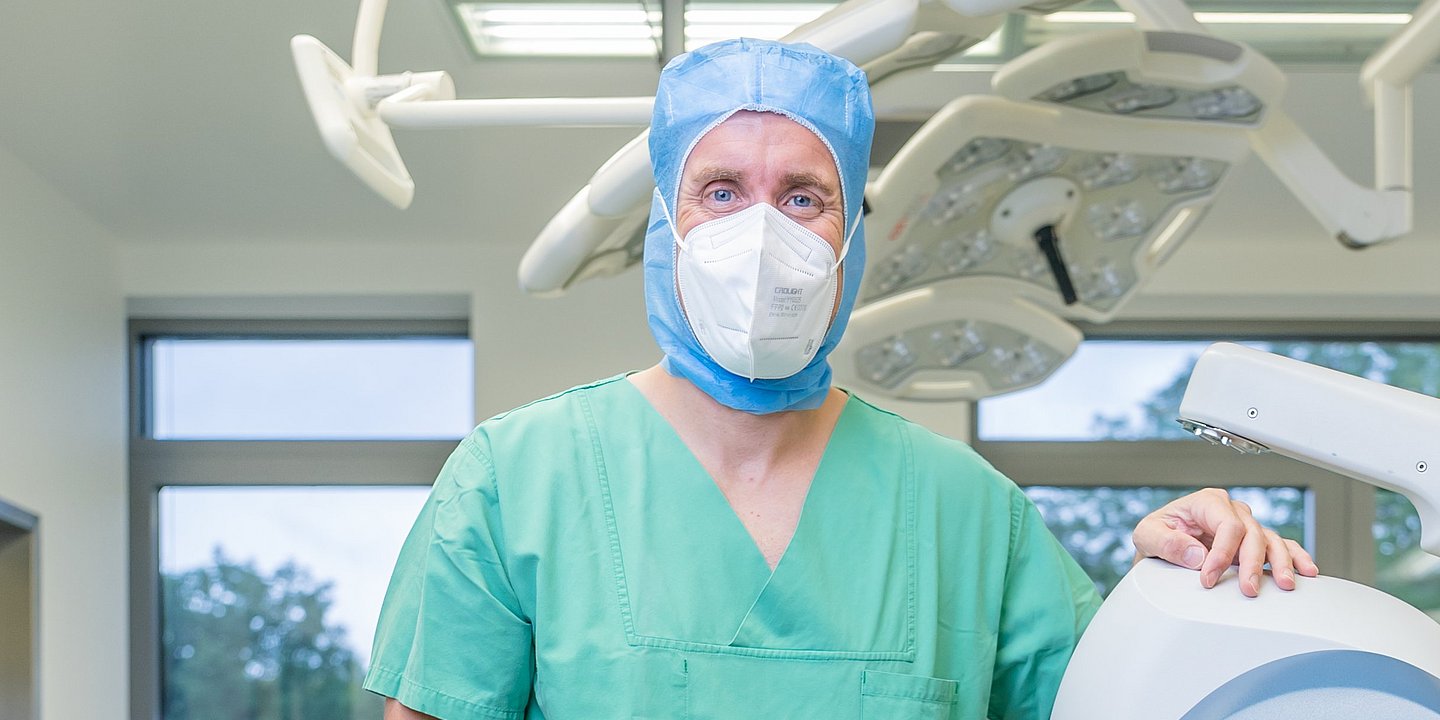
As a specialist in orthopedics and trauma surgery, Dr. med. Josina Waldmann knows exactly what she is talking about. Throughout her career, the experienced physician has focused extensively on pain management — most recently at the Center for Tetraplegia and Paraplegia in Hessisch Lichtenau, where she served as Chief Physician responsible for the treatment of patients with spinal cord injuries.
People with spinal cord damage often experience pain very differently from those with an intact nervous system. Around 60 to 80 percent of affected patients suffer from chronic pain, which may manifest itself as burning or tingling sensations (neuropathic pain) or result from muscle tension, joint strain, or spasticity (mechanical pain). Neuropathic pain in particular is considered especially complex and resistant to treatment.
In addition to the physical symptoms, chronic pain often has far-reaching effects on patients’ quality of life. It frequently affects sleep, mood, and social participation. At the same time, poor sleep can further increase sensitivity to pain — creating a vicious cycle that is difficult for many patients to break.
“Chronic pain is no longer viewed as merely a physical symptom; it always affects the whole person — including their physical, psychological, and social well-being,” explains the new Chief Physician, Dr. Josina Waldmann. “That is why, in Kaufungen, we rely on a multimodal pain management approach in which different medical disciplines work closely together.” Together with her team, she will develop the new department for Helios at the Kaufungen site.
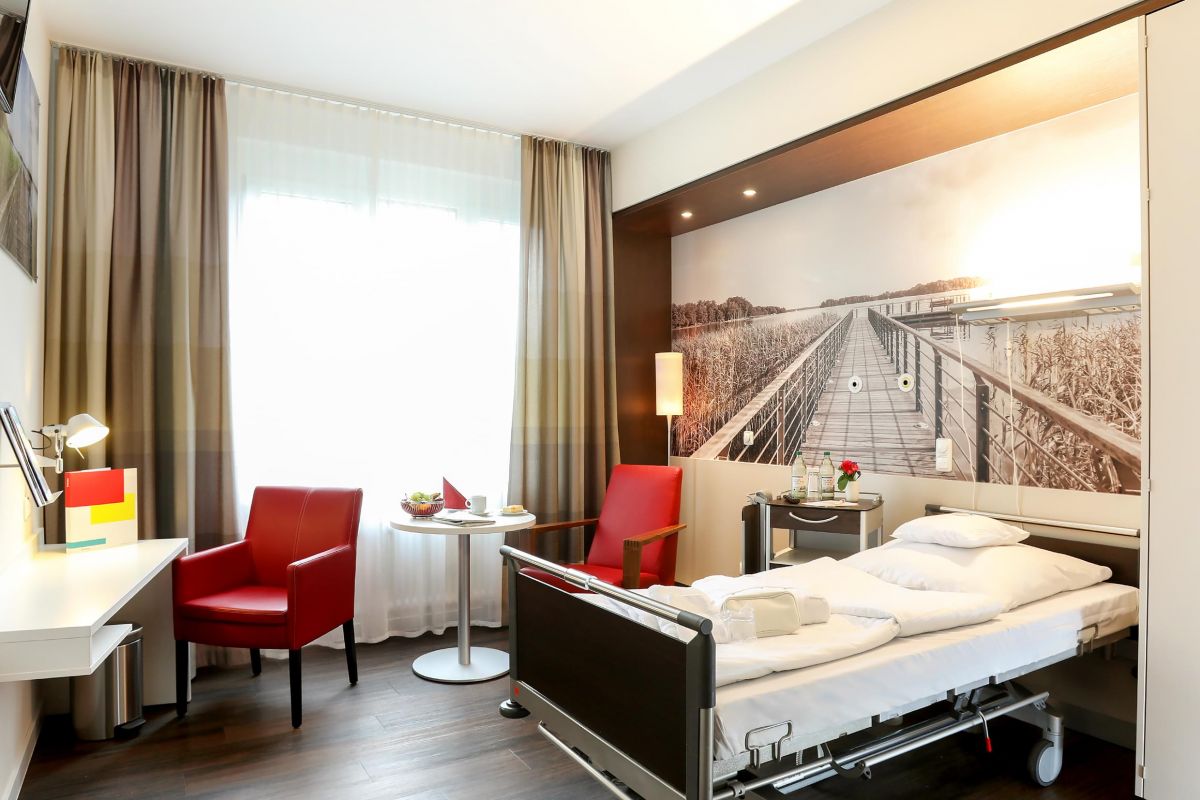
A multimodal treatment concept in a calming environment
The concept предусматривает an inpatient stay of just under three weeks. During this time, patients undergo comprehensive diagnostics, various assessments, and an initial psychological consultation. Based on the results, the entire multidisciplinary team defines treatment goals, adjusts medication, and develops and implements individualized therapeutic measures.
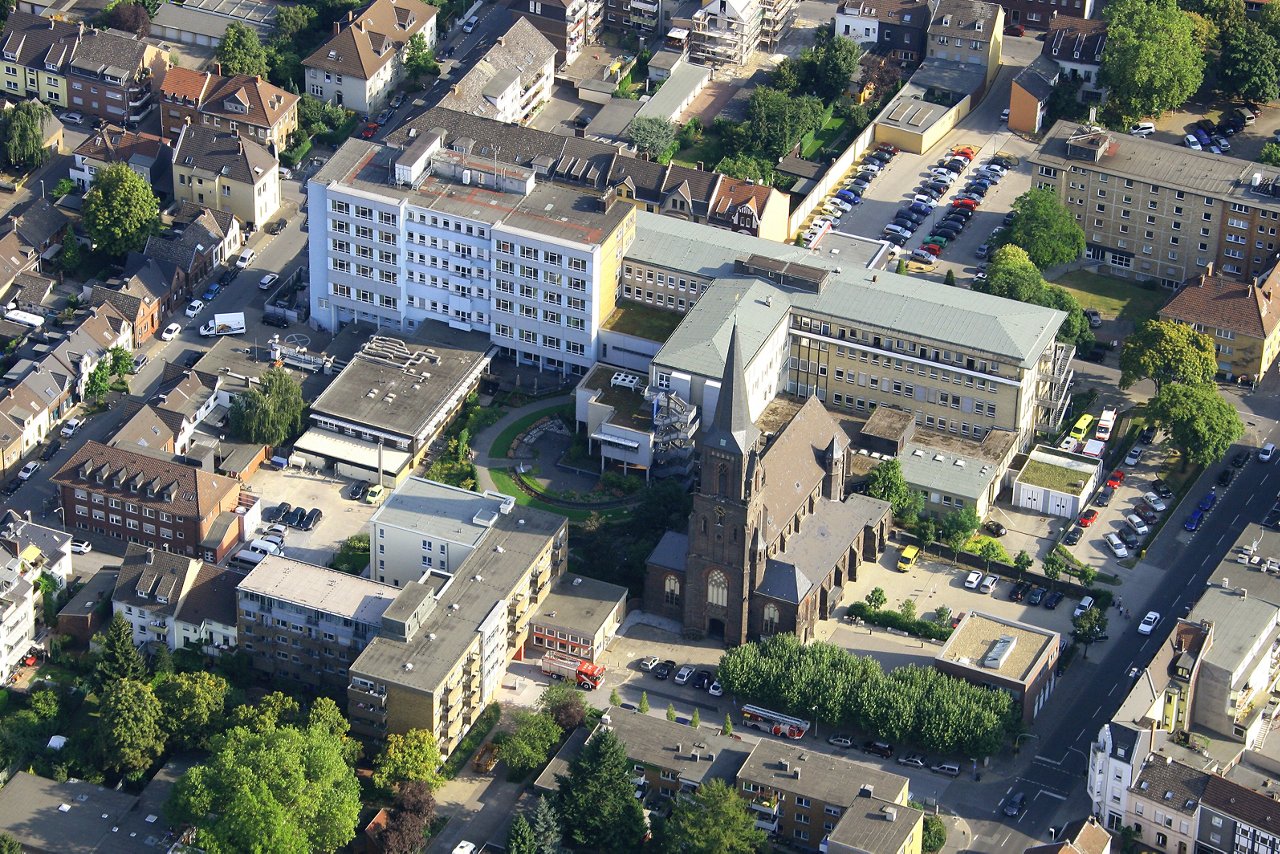
The Kaufungen location offers particularly favorable conditions for this approach. The clinic is situated on the quiet outskirts of the town and surrounded by spacious green gardens. “The environment plays an important role in the treatment of chronic pain,” emphasizes Dr. Waldmann. “Many of our therapeutic approaches — such as mindfulness exercises including progressive muscle relaxation (PMR), yoga, art therapy, and music therapy — can be implemented especially effectively in such a peaceful setting.”
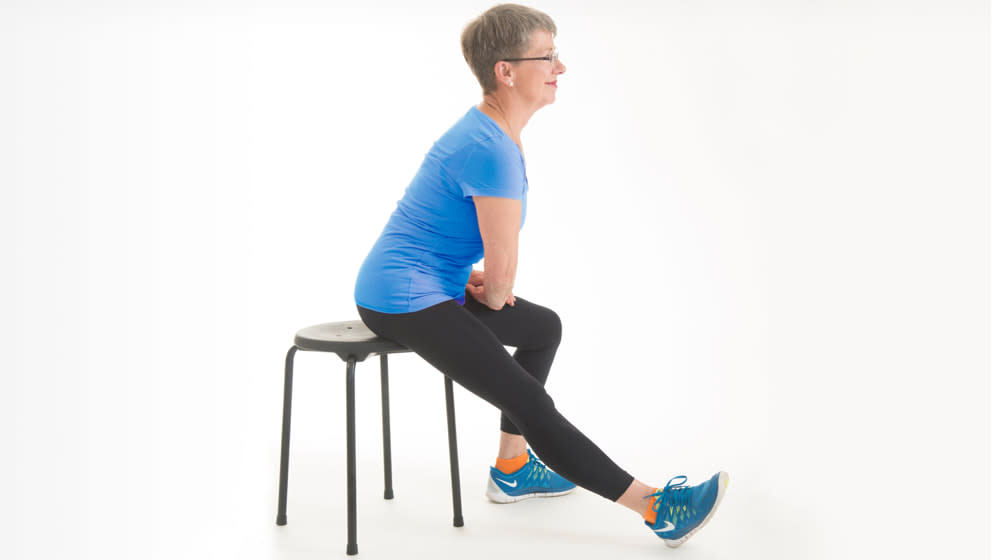
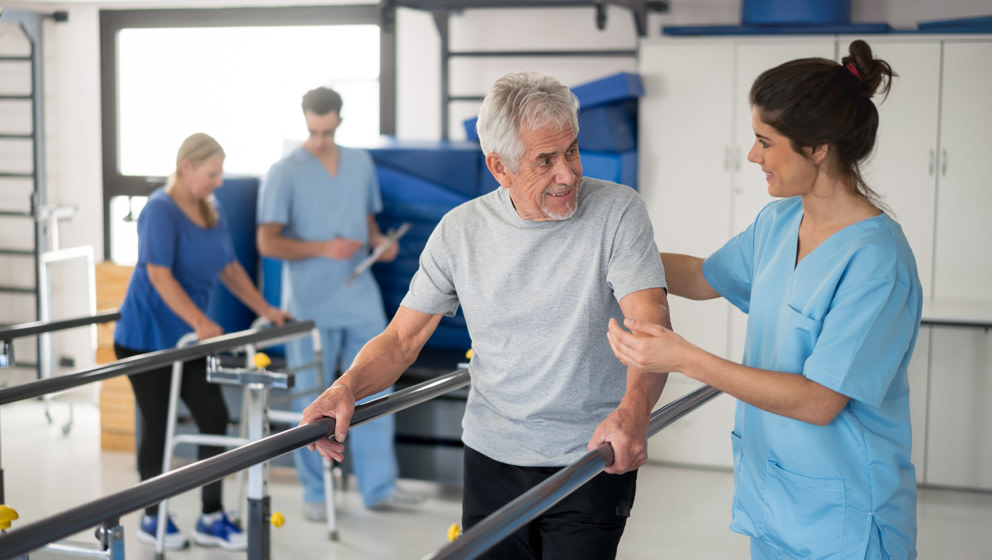
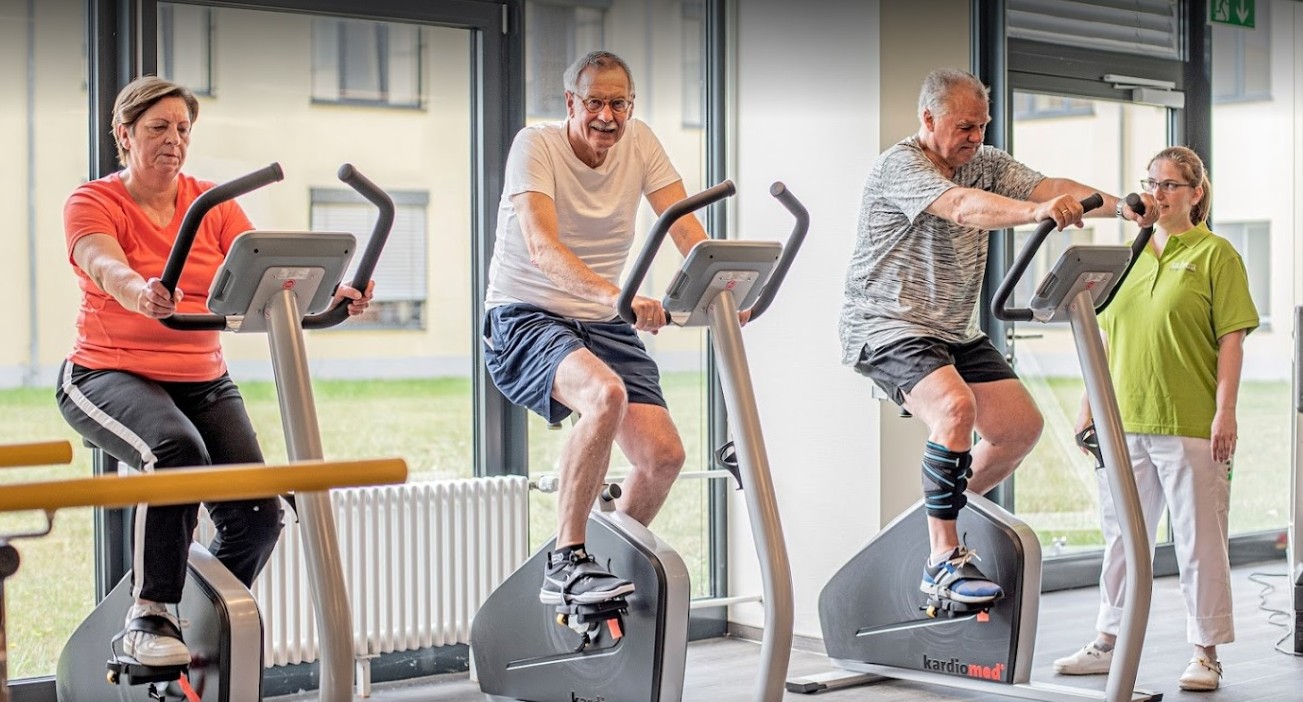
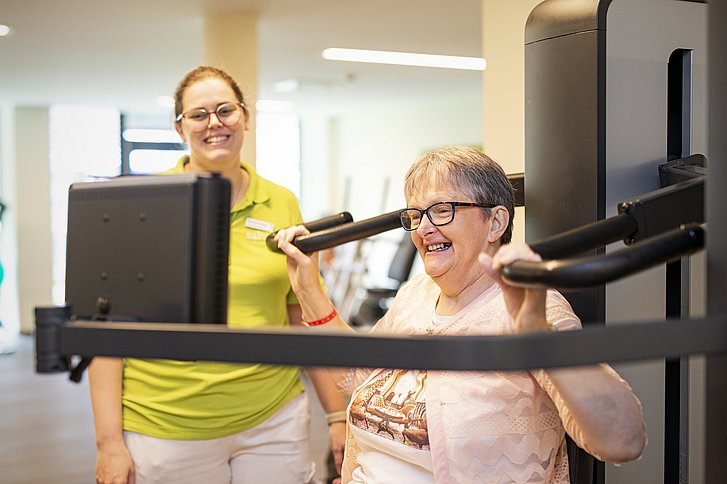
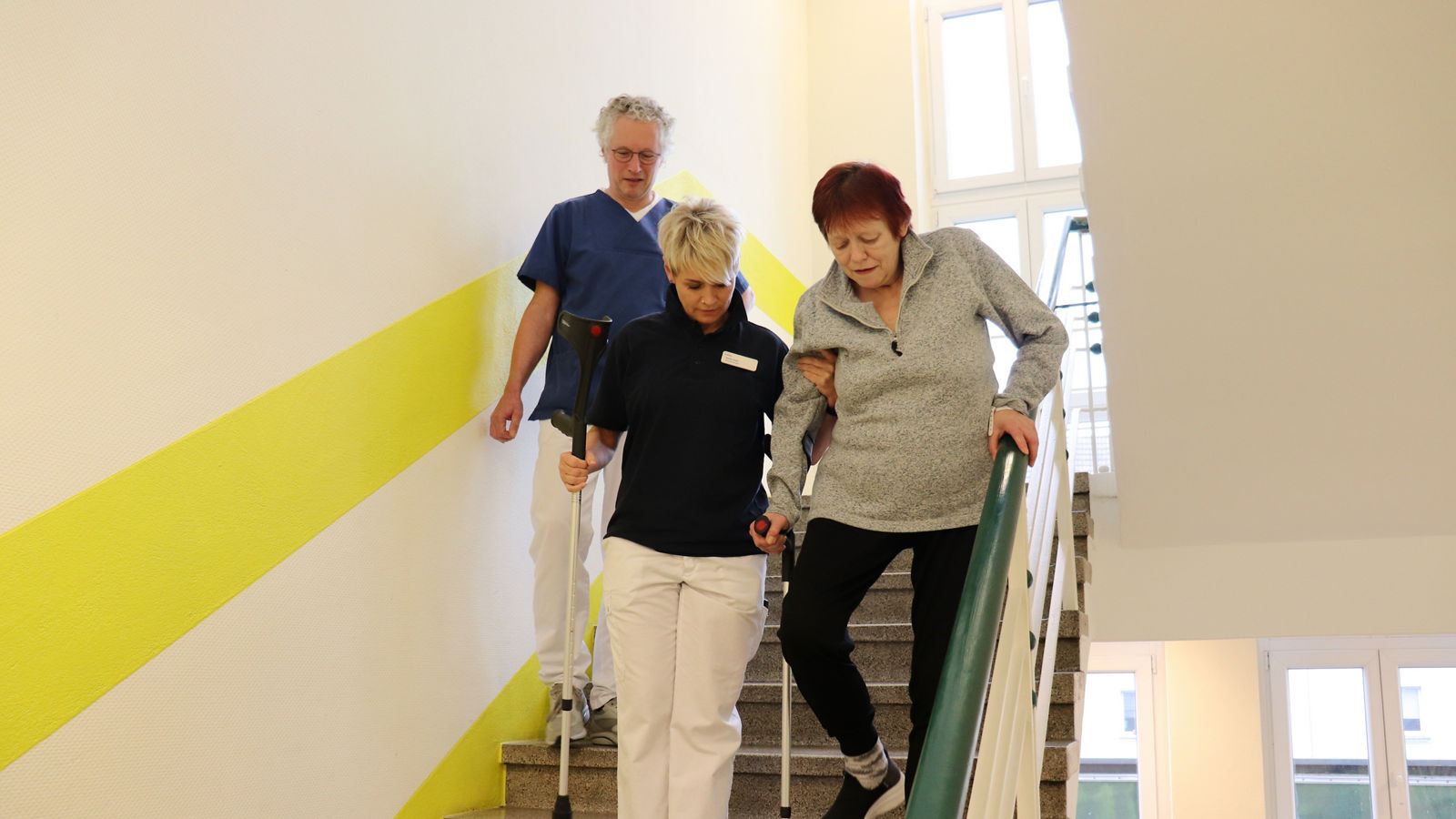
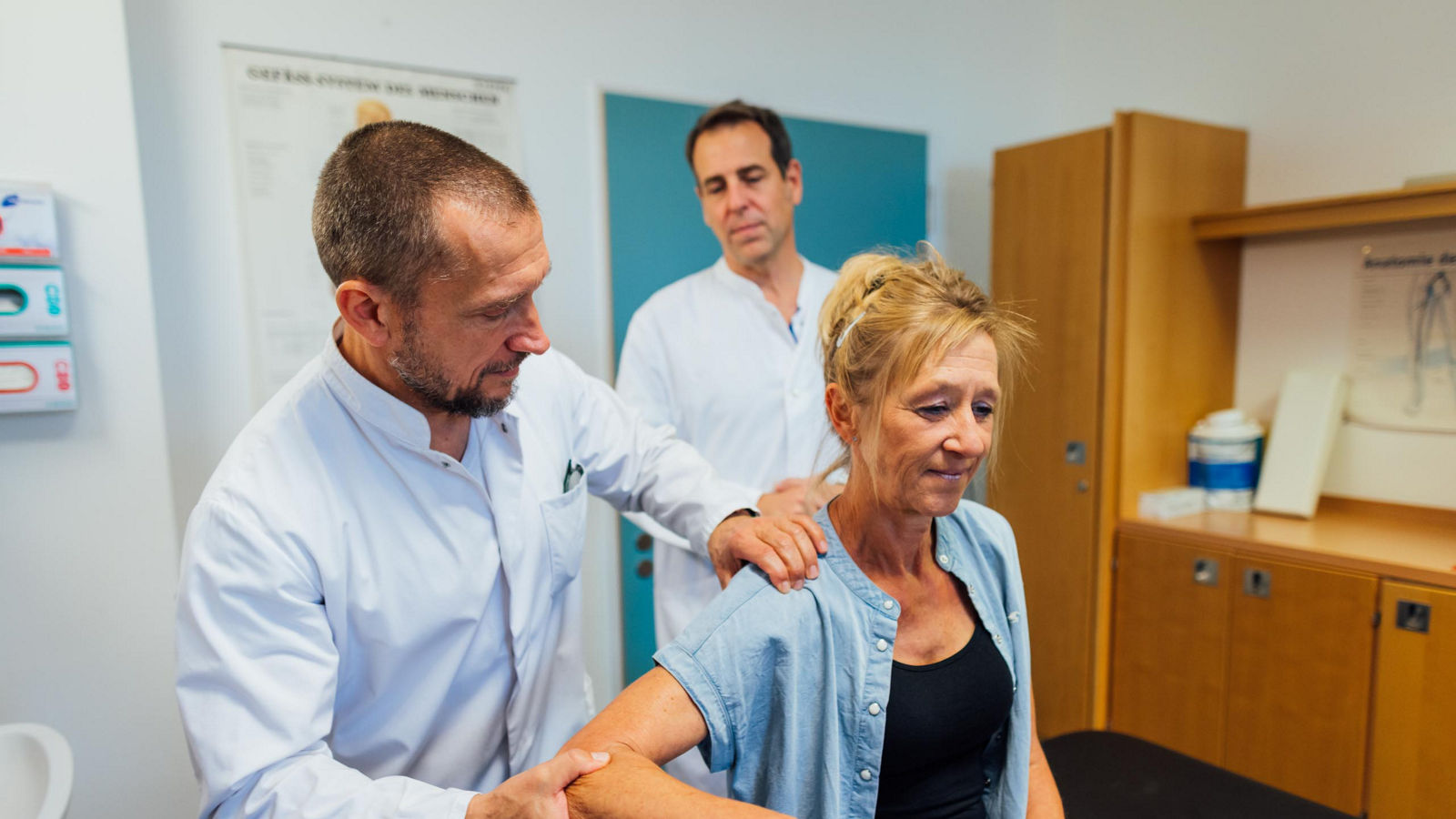
A key component of the treatment is the close collaboration with the already established team of physiotherapists and occupational therapists, as well as the newly implemented sports therapy program. The services include manual therapy, fascia therapy and trigger point treatment, equipment-assisted therapy, coordination and stabilization training, Pilates, Zumba, and Nordic walking.
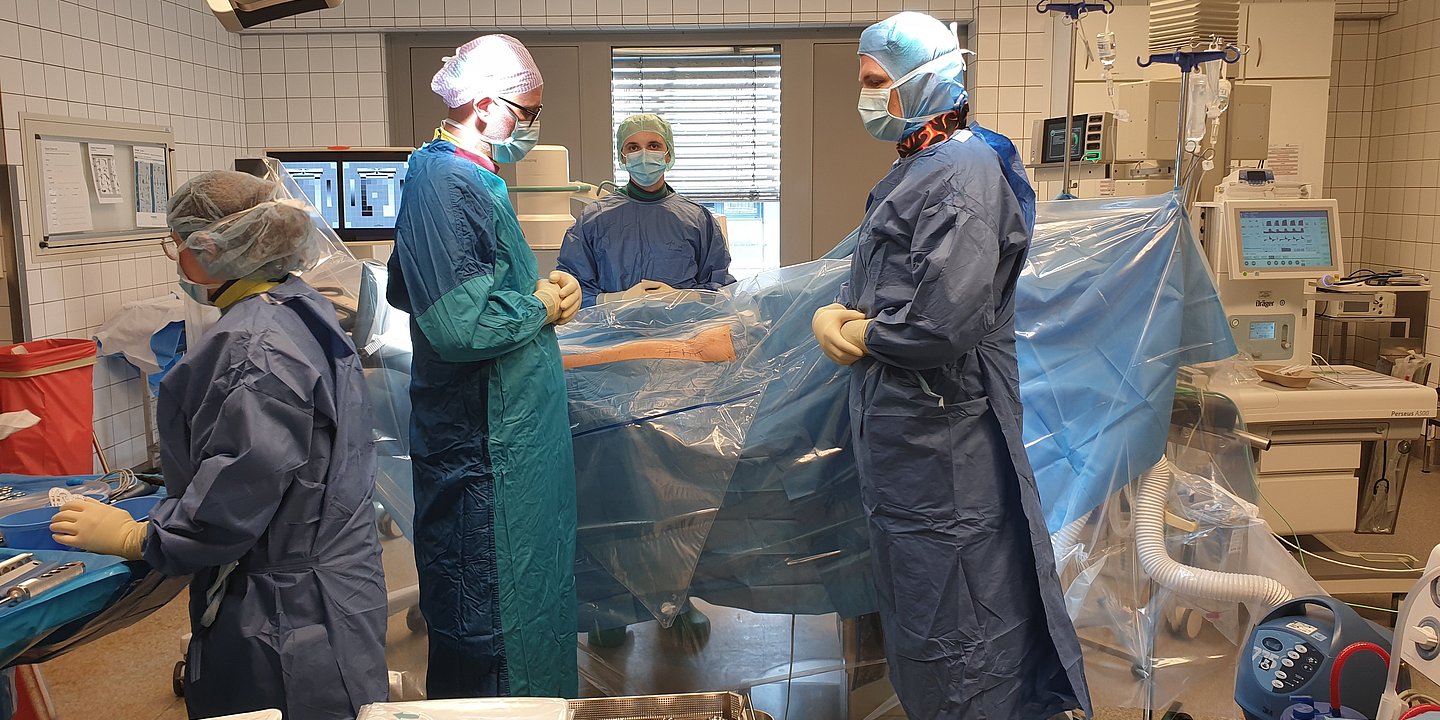
The treatment portfolio is further complemented by infiltrative and invasive procedures, including neural therapy, injections into joints and the spine, botulinum toxin treatment, and spasticity modulation through baclofen administration into the cerebrospinal fluid. In addition, patients may benefit from complementary therapies such as acupuncture, acupressure, leech therapy, heat and cold applications, hydrotherapy, and electrotherapy (e.g., TENS). Massage therapy, kinesiology taping, aromatherapy, and nutritional counseling are also available.
If a serious sleep-related breathing disorder or an interaction between pain and sleep is suspected, polygraphy testing can be performed, followed by the initiation of an individualized, needs-based therapy.
Psychological care is another essential component of the multimodal treatment approach. The therapeutic team supports patients through pain management training, cognitive behavioral therapy, relaxation techniques and breathing exercises, as well as stress management and resource-oriented therapy.
Relieving pain = Improving quality of life
“Our goal is not only to reduce pain,” emphasizes future Chief Physician Dr. Josina Waldmann. “We want to help people improve their physical functioning, maintain their independence, and participate more actively in social life again. This also includes reducing depressive symptoms and sustainably improving quality of life.”
Hospital Managing Director Michael Renziehausen also sees the new department as an important step forward for regional healthcare services: “With the introduction of pain medicine, we are strategically expanding our services in Kaufungen in an area that is highly important for many people. Chronic pain affects a large number of patients, while specialized treatment options are still comparatively rare.”
According to the hospital director, the new department will perfectly complement the site’s existing areas of expertise: “With geriatrics, palliative medicine, and now pain medicine, Kaufungen is developing a healthcare offering that focuses particularly strongly on quality of life, independence, and holistic treatment. In doing so, we are strengthening the location and creating an important healthcare resource for the Kassel region and beyond.”
The treatment program includes, among other things:
- manual therapy
- fascia therapy and trigger point treatment
- equipment-assisted therapy
- coordination and stabilization training
- Pilates, Zumba, and Nordic walking
Infiltrative and invasive procedures, including:
- neural therapy
- injections into joints and the spine
- botulinum toxin treatment
- spasticity modulation through baclofen administration into the cerebrospinal fluid
Complementary therapies include:
- acupuncture
- acupressure
- leech therapy
- heat and cold applications
- hydrotherapy and electrotherapy (e.g., TENS)
- massage therapy
- kinesiology taping
- aromatherapy
- nutritional counseling
The environment plays an important role in the treatment of chronic pain. Many of our therapeutic approaches — such as mindfulness exercises including progressive muscle relaxation (PMR), yoga, art therapy, and music therapy — can be implemented especially effectively in such a calm and peaceful setting.
Read more:
Do you need more information about Helios Hospitals or want to schedule your treatment?