Siegburg: Reunion after a rare Ross procedure
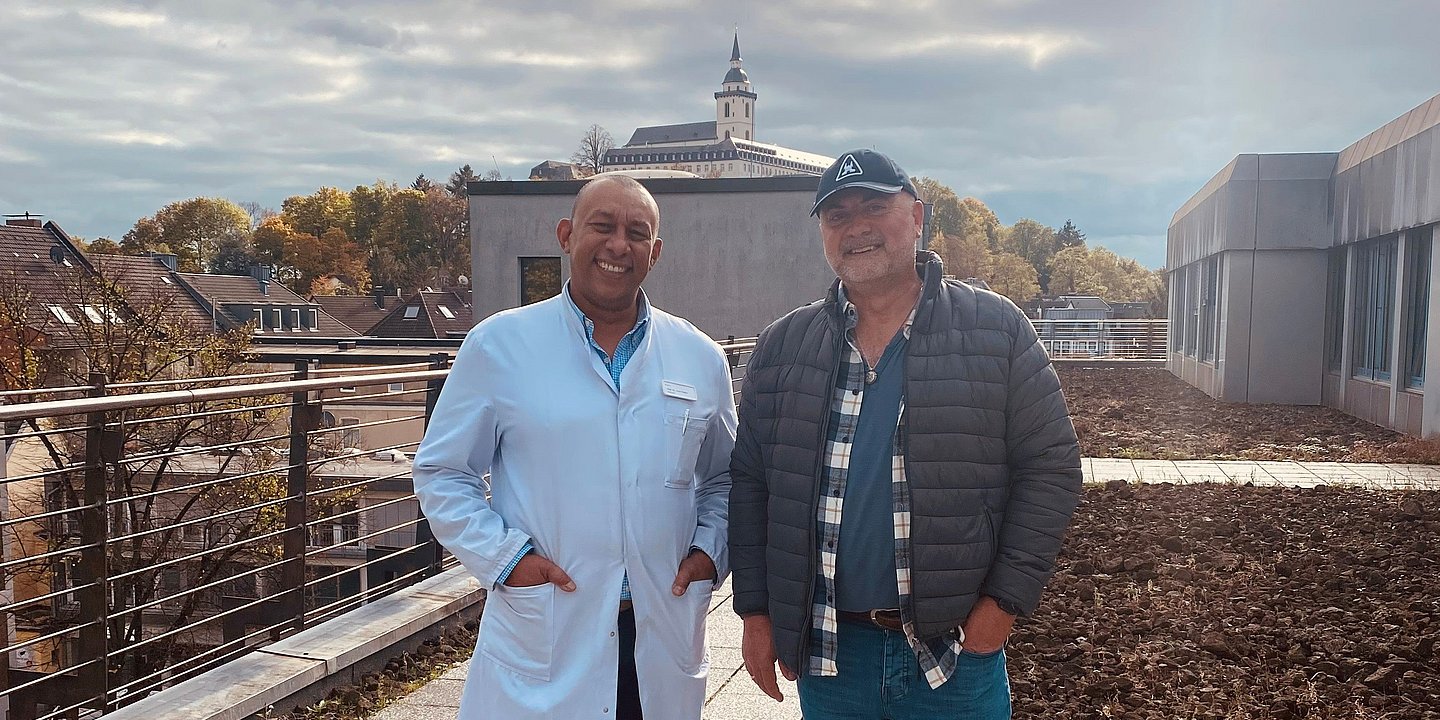
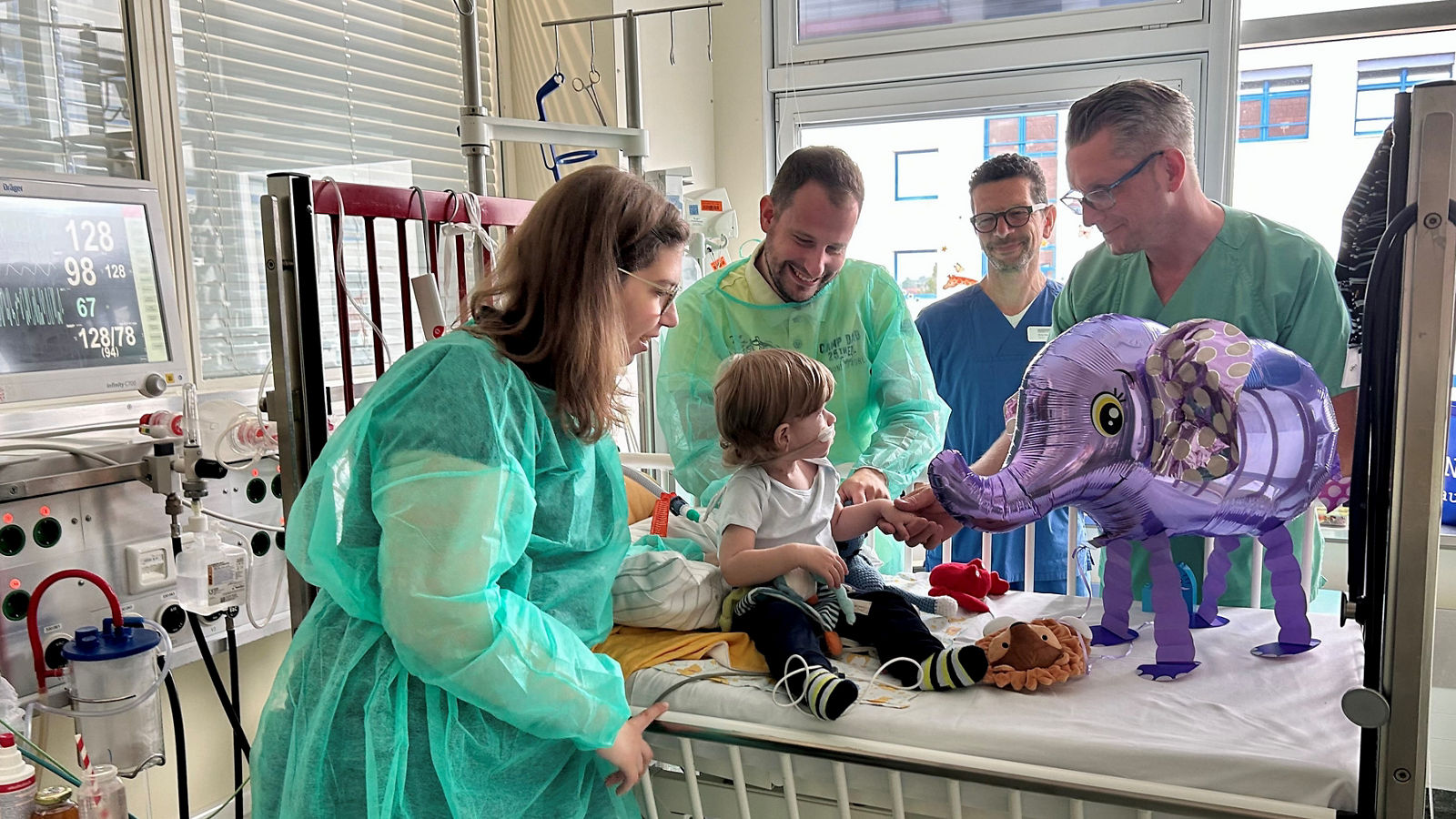
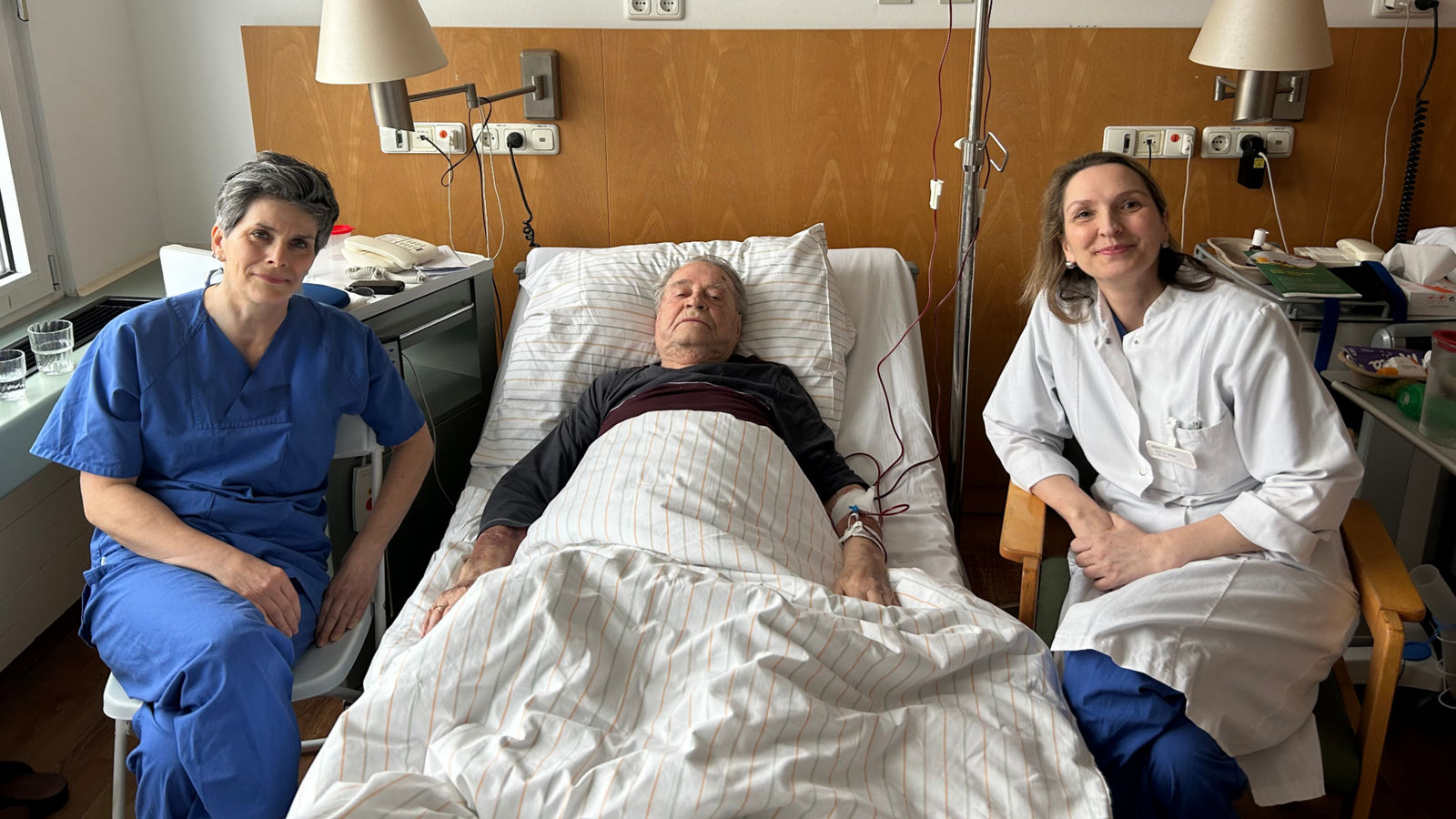
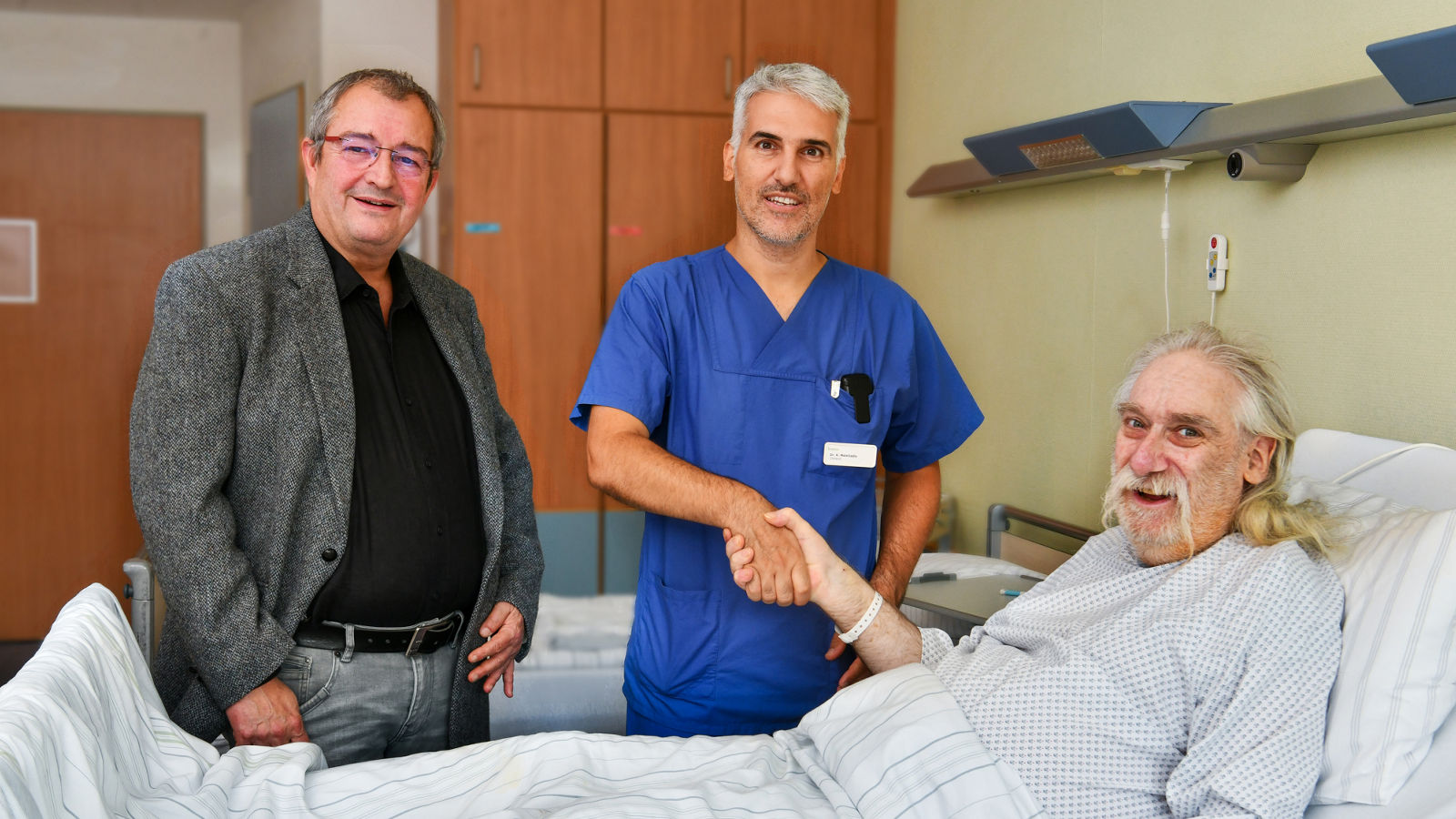
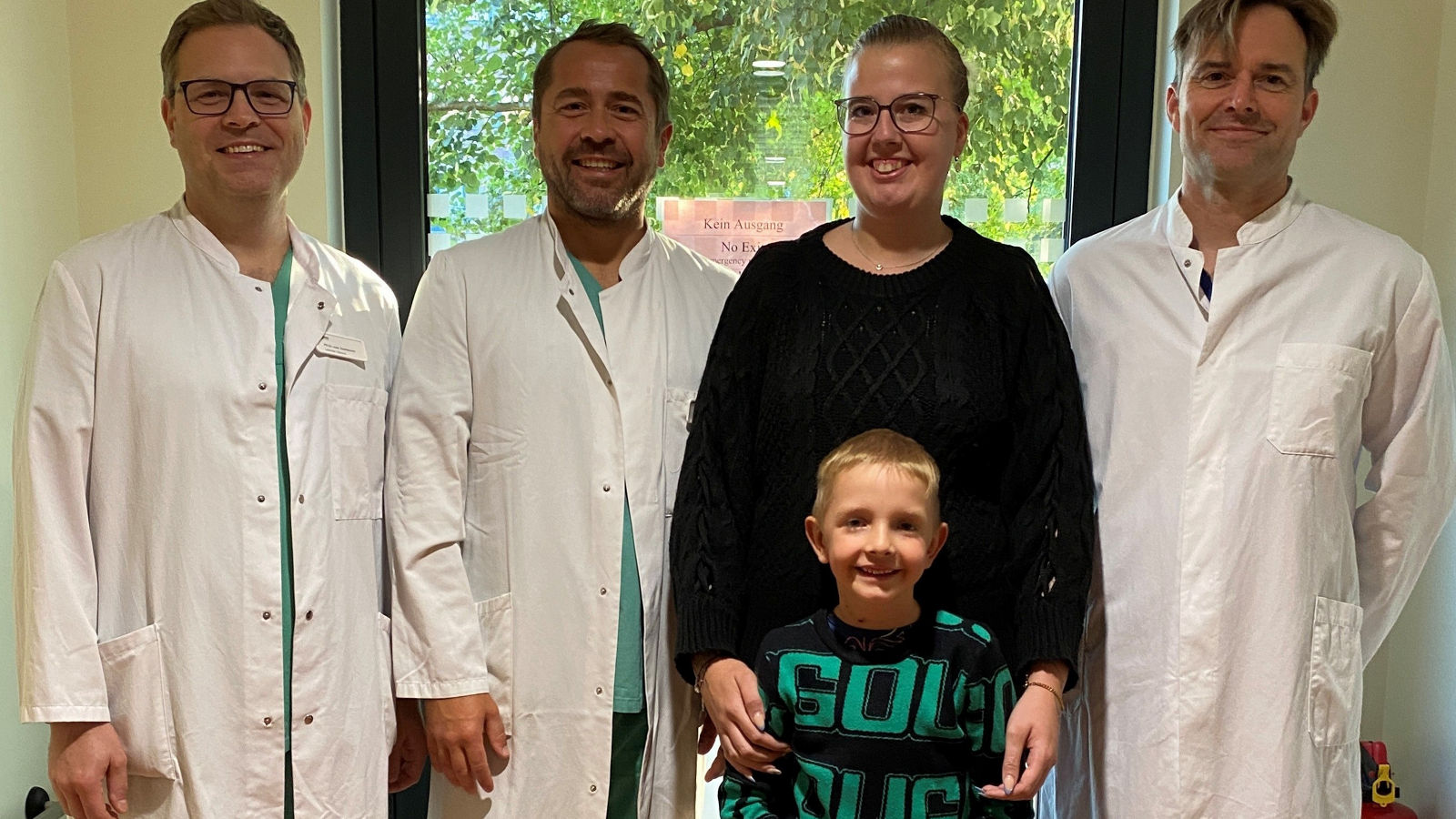
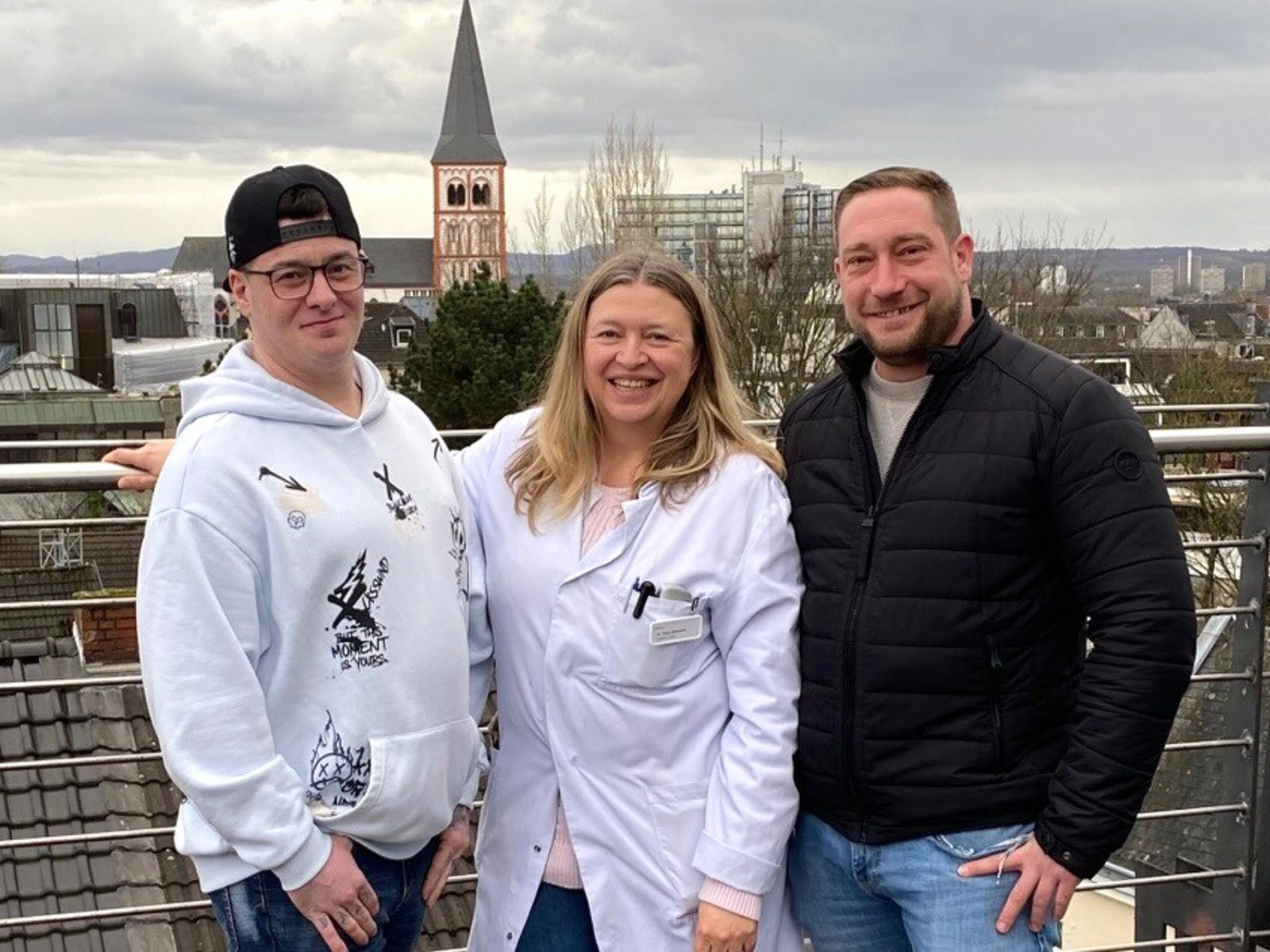
After almost 20 years, Raphael Arrigo and Daniel Schnur meet again at Helios Hospital Siegburg — and yet they recognize each other immediately. The two childhood friends share the same goal: a follow-up appointment after the Ross procedure, which both had successfully undergone independently a few weeks earlier.
No matter how different their life paths and medical histories had been after losing touch in their youth, they ultimately shared the same fate: their hearts could no longer adequately supply their bodies with oxygen-rich blood due to defective aortic valves. The consequences included shortness of breath, dizziness, chest pain, and limitations in work and leisure activities.
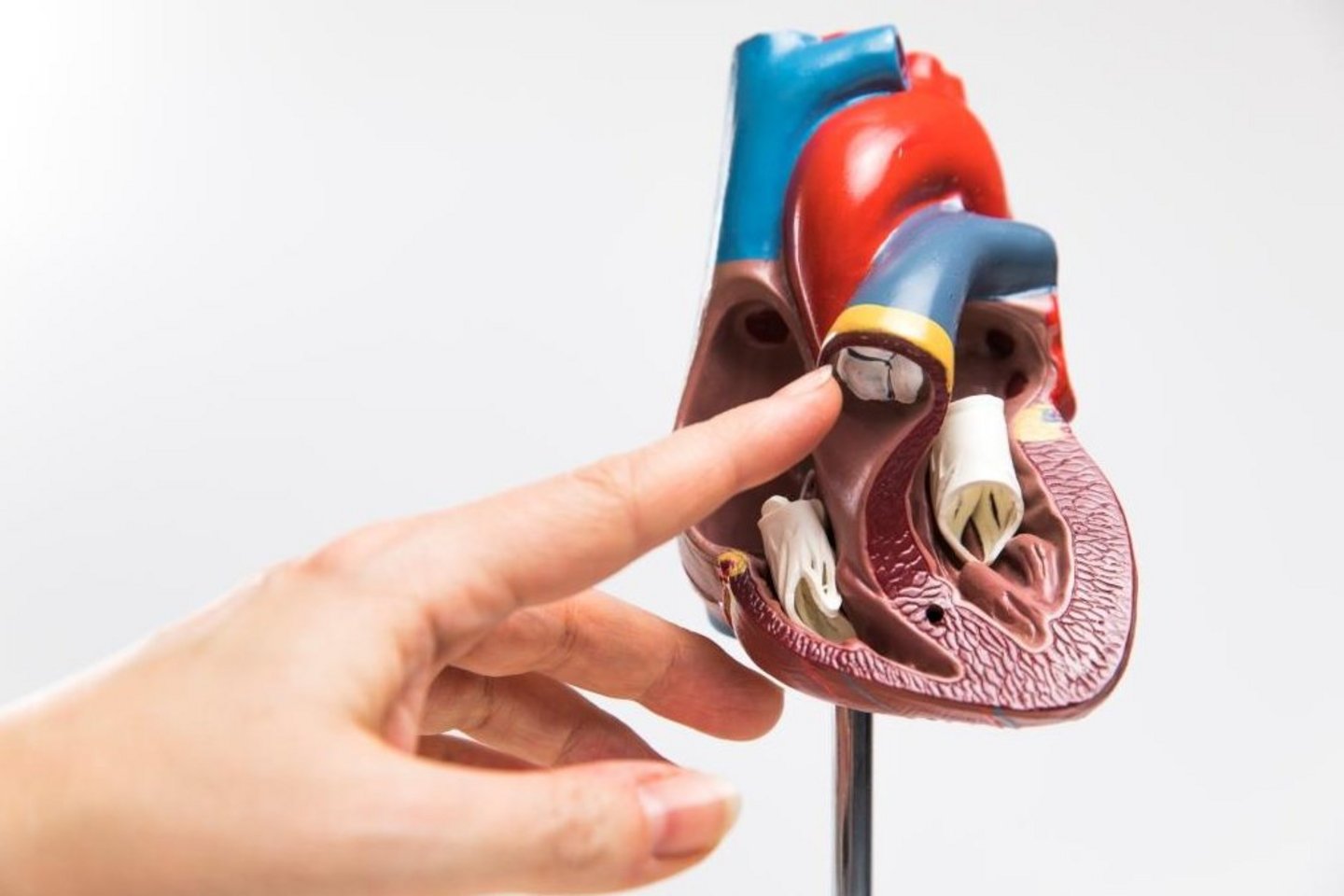
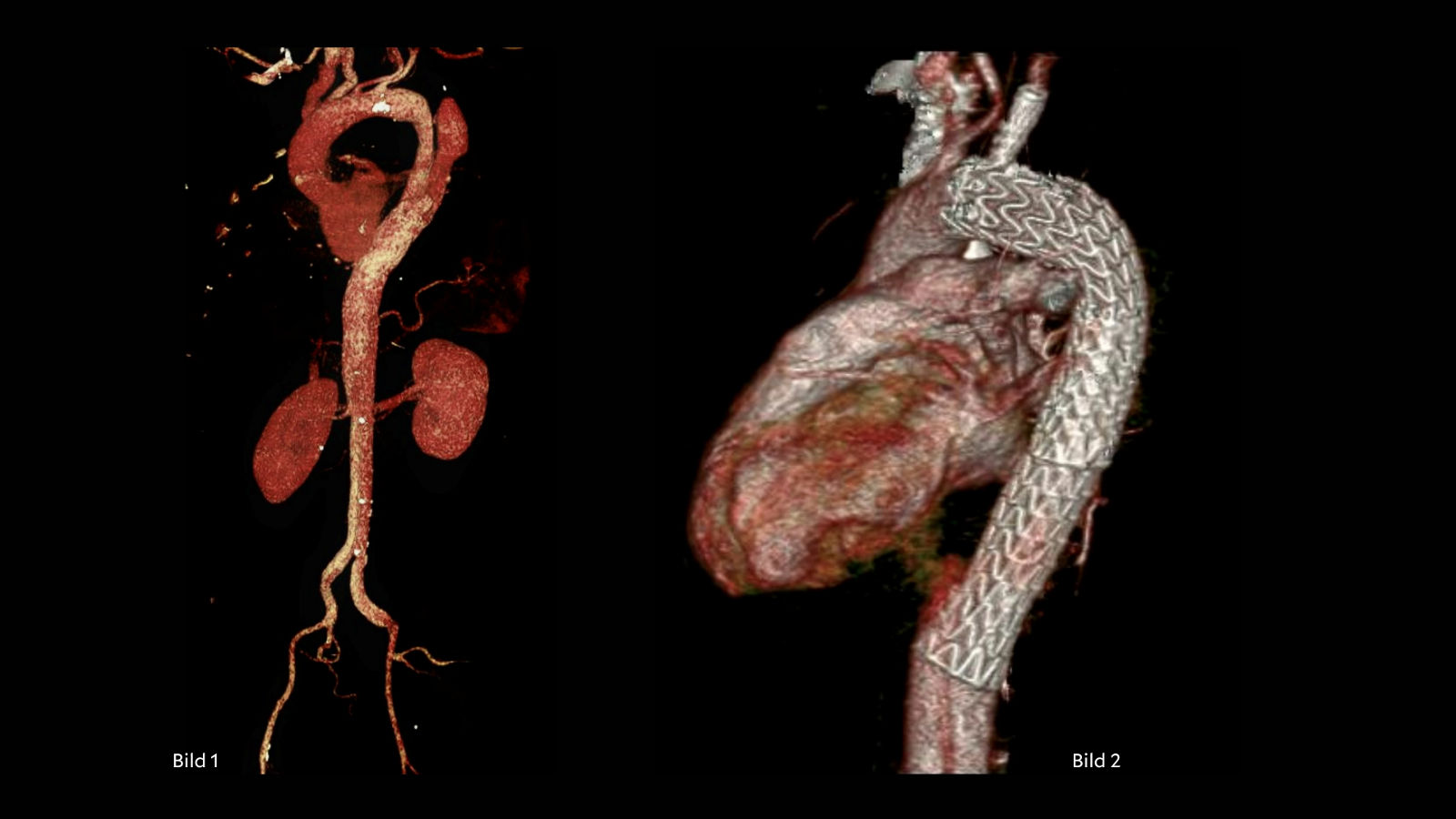
“The aortic valve is a valve between the left ventricle and the aorta (main artery) and prevents blood from flowing back into the heart. Conditions such as stenosis (narrowing) or insufficiency (leakage) can severely impair heart function,”
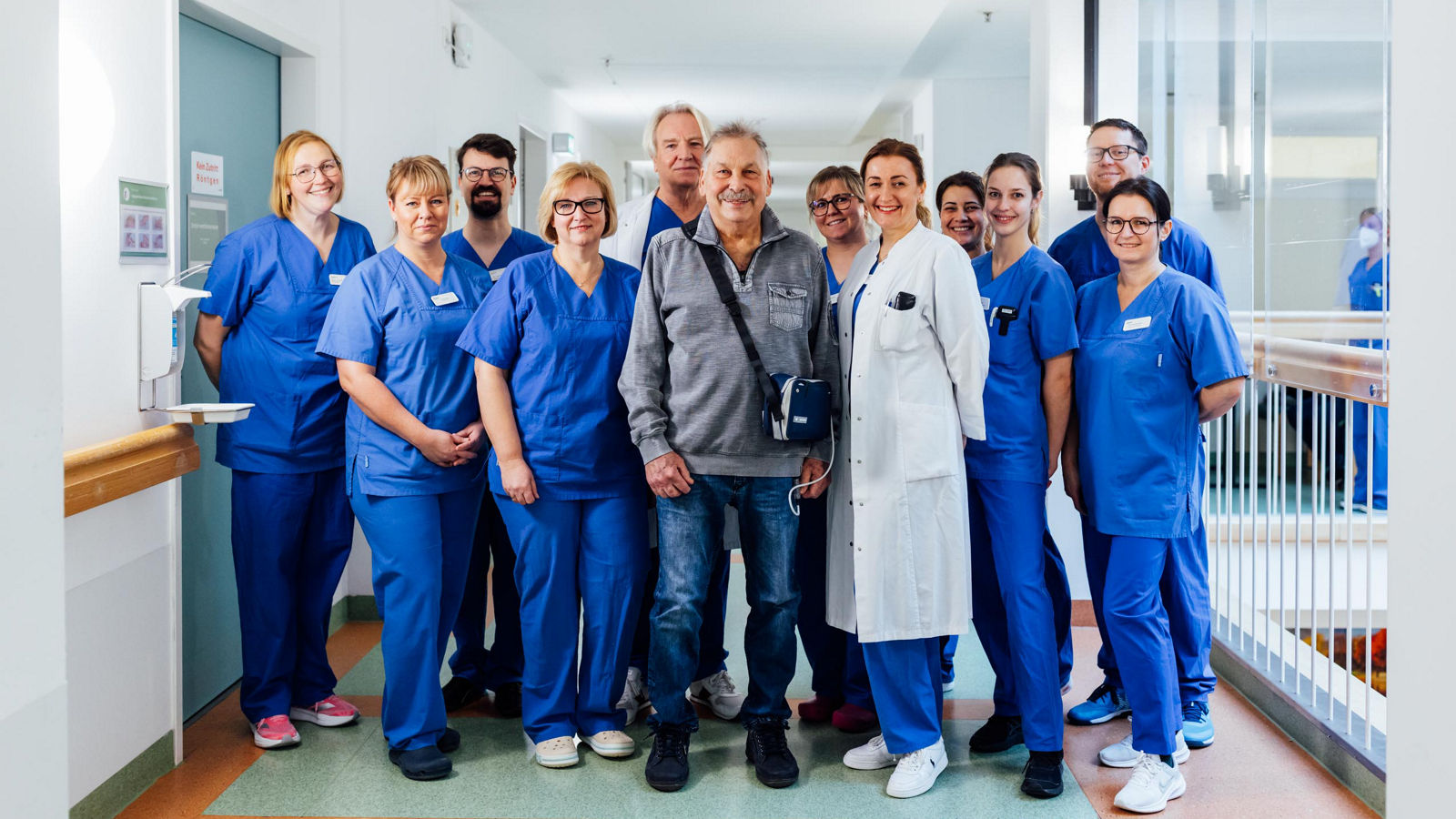
explains Katja Bohmann, Head of Structural Heart Disease in cardiac surgery at Helios Hospital Siegburg. She performed the operations on both men.
“Everything went very well, everything is healing, and I feel fit! My long-term ECG looks excellent! However, I still need to give my heart some time before returning fully to work, as my job requires physical effort. I fully trust Dr. Bohmann’s expertise — just as I did when deciding on the operation,” says Arrigo.
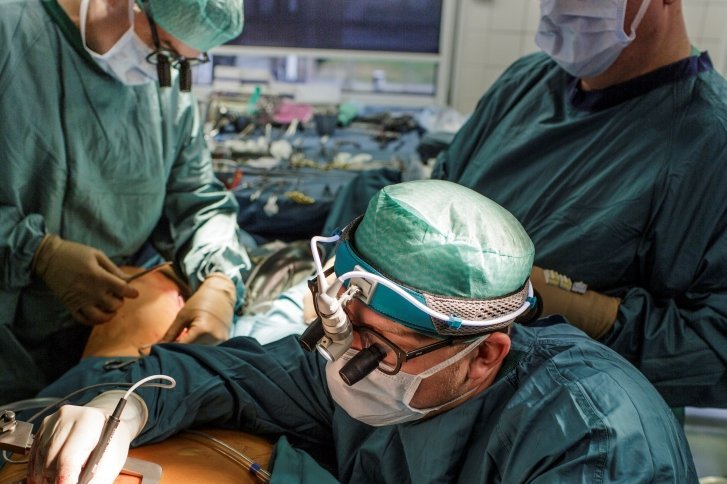
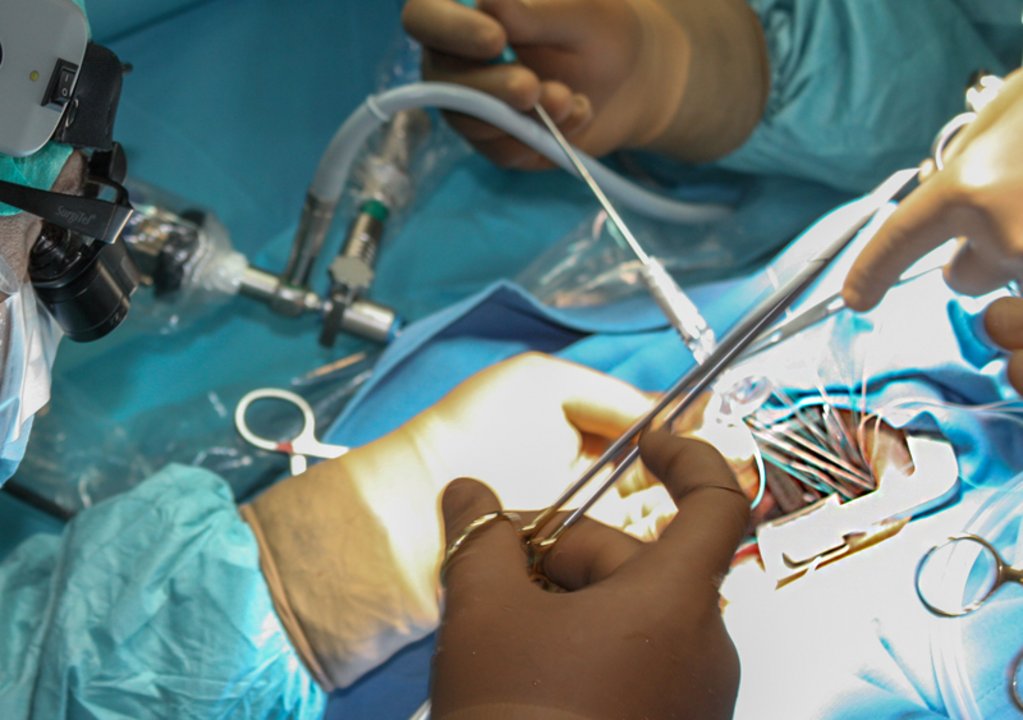
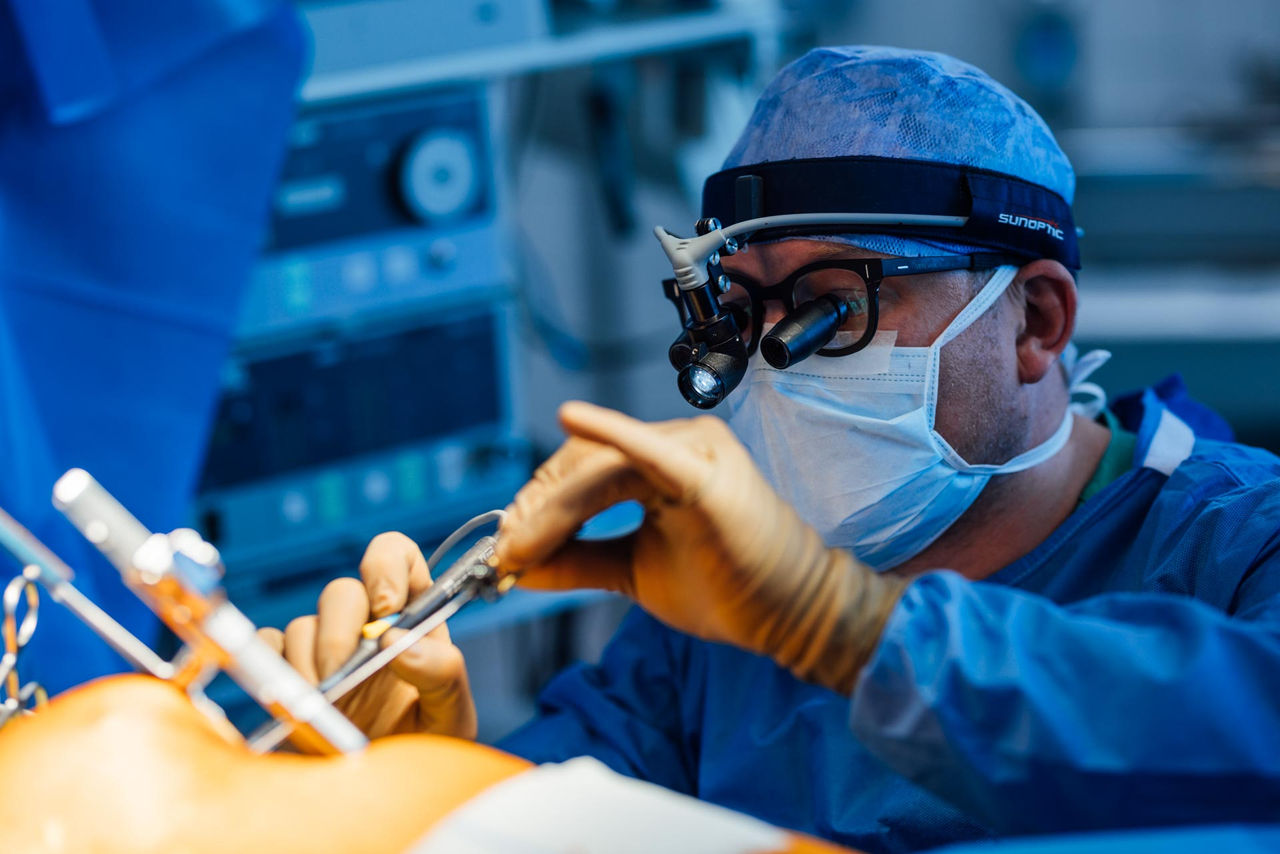
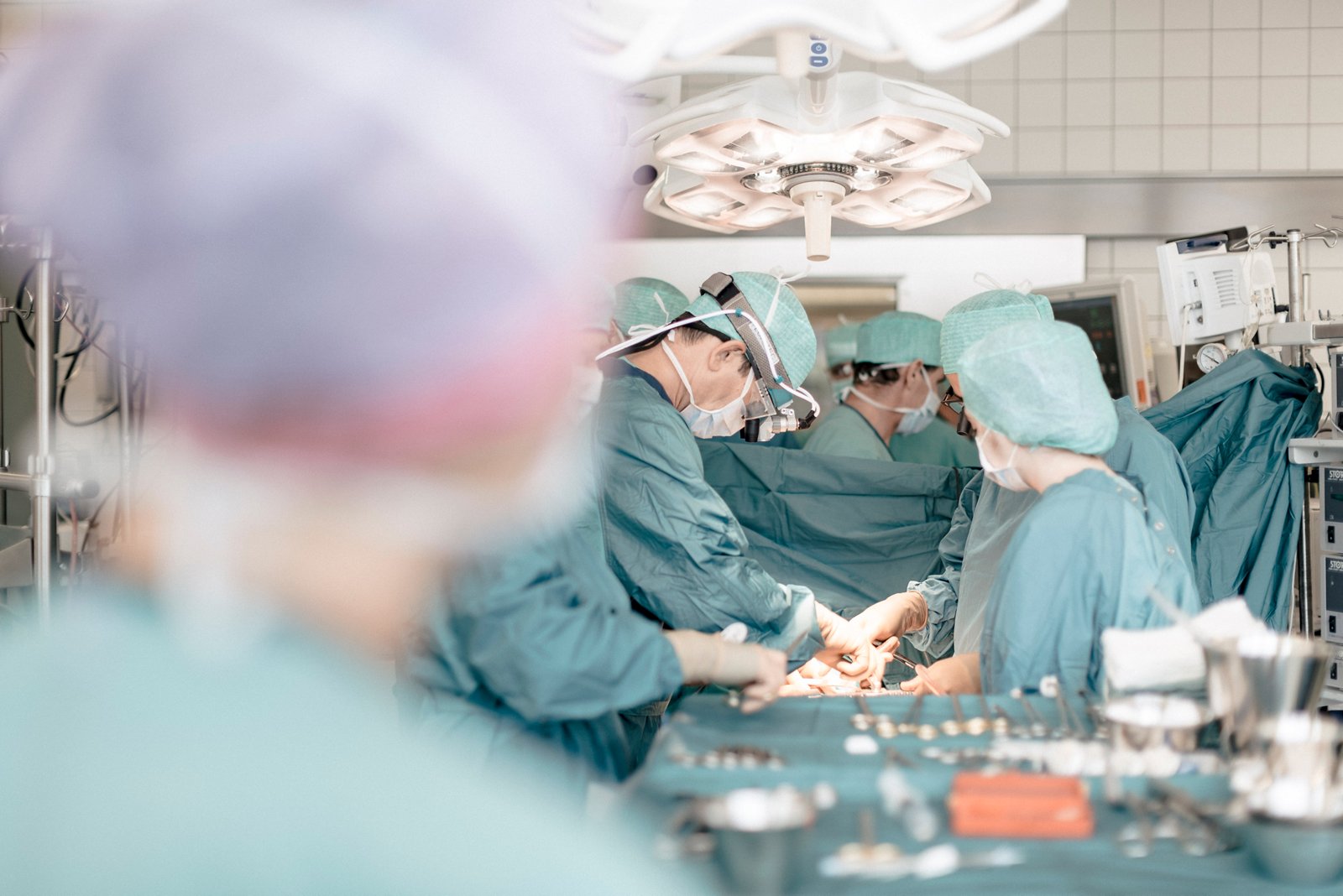
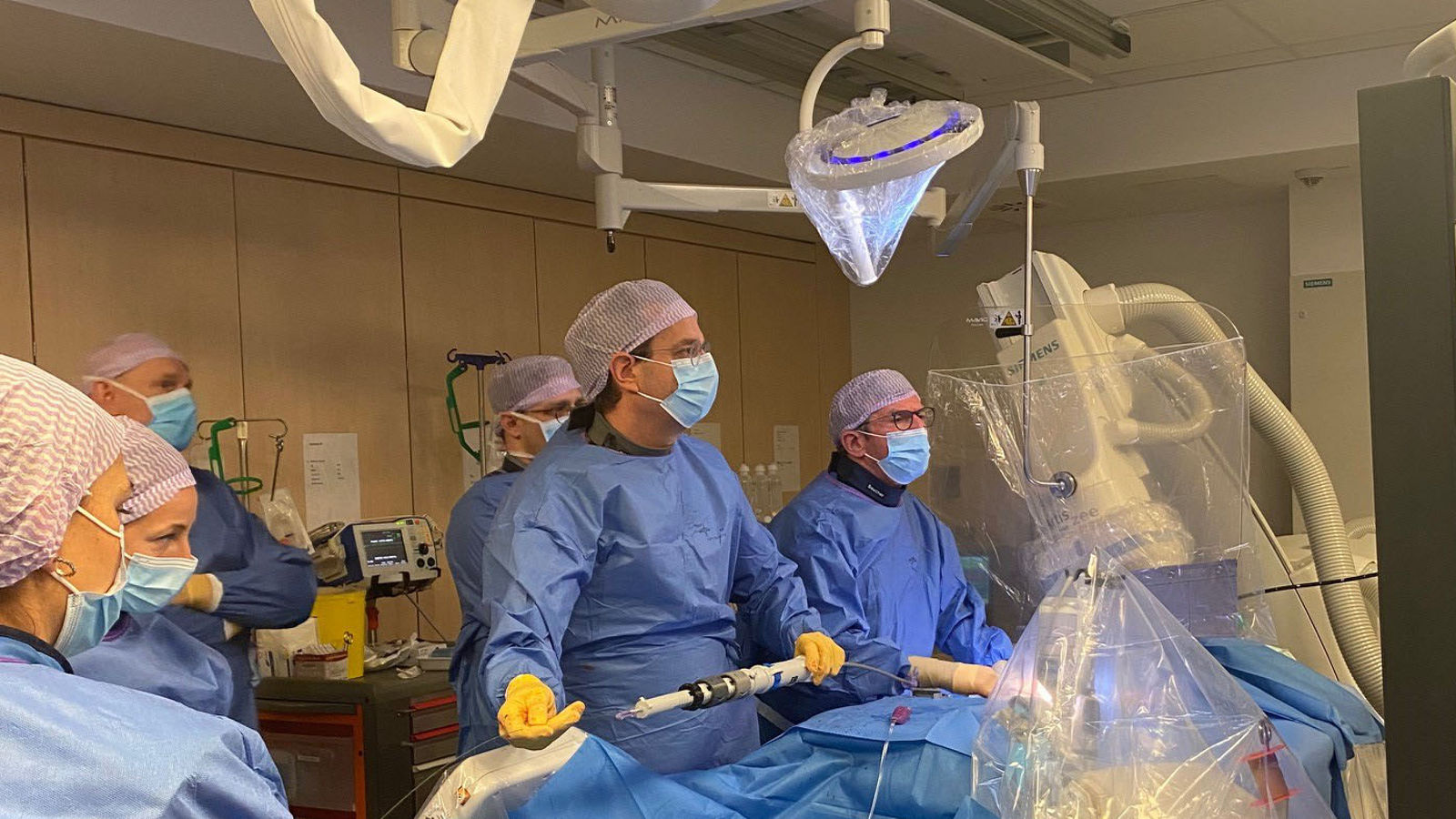
The Ross procedure is an open-heart surgery performed using a heart-lung machine, which takes over the functions of the heart and lungs during the operation. The diseased aortic valve is removed. Then the patient’s healthy pulmonary valve is transplanted into the aortic position. The gap left by the removed pulmonary valve is filled with a donor valve (homograft) or a biological prosthesis. The coronary arteries are detached from the original aortic valve and, after implantation of the pulmonary valve in the aortic position, reconnected to the new aortic root.
“One of the main reasons I chose the operation was that I wouldn’t have to take blood thinners for the rest of my life,” says Schnur, who was born with a heart defect and is therefore familiar with the limitations it can cause. Indeed, when mechanical valves are used, lifelong anticoagulation is required to prevent blood clots. With biological valves, blood thinners are usually only needed for a shorter period after surgery.
“Patients can lead a normal and active life without restrictions, even participate in sports. The Ross procedure has a very good prognosis and a low long-term reoperation rate compared to other valve replacement methods in suitable patients, as the natural properties of the heart valves are fully preserved,” reports Dr. Bohmann.
Younger patients, typically up to around 60 years of age, whose pulmonary valve is healthy, are particularly suitable candidates. This is determined during preliminary examinations, where other relevant comorbidities are also ruled out. The procedure is then planned following a detailed consultation with the patient.
Read more:
Do you need more information about Helios Hospitals or want to schedule your treatment?