Leipzig: Extravascular defibrillator in Brugada syndrome
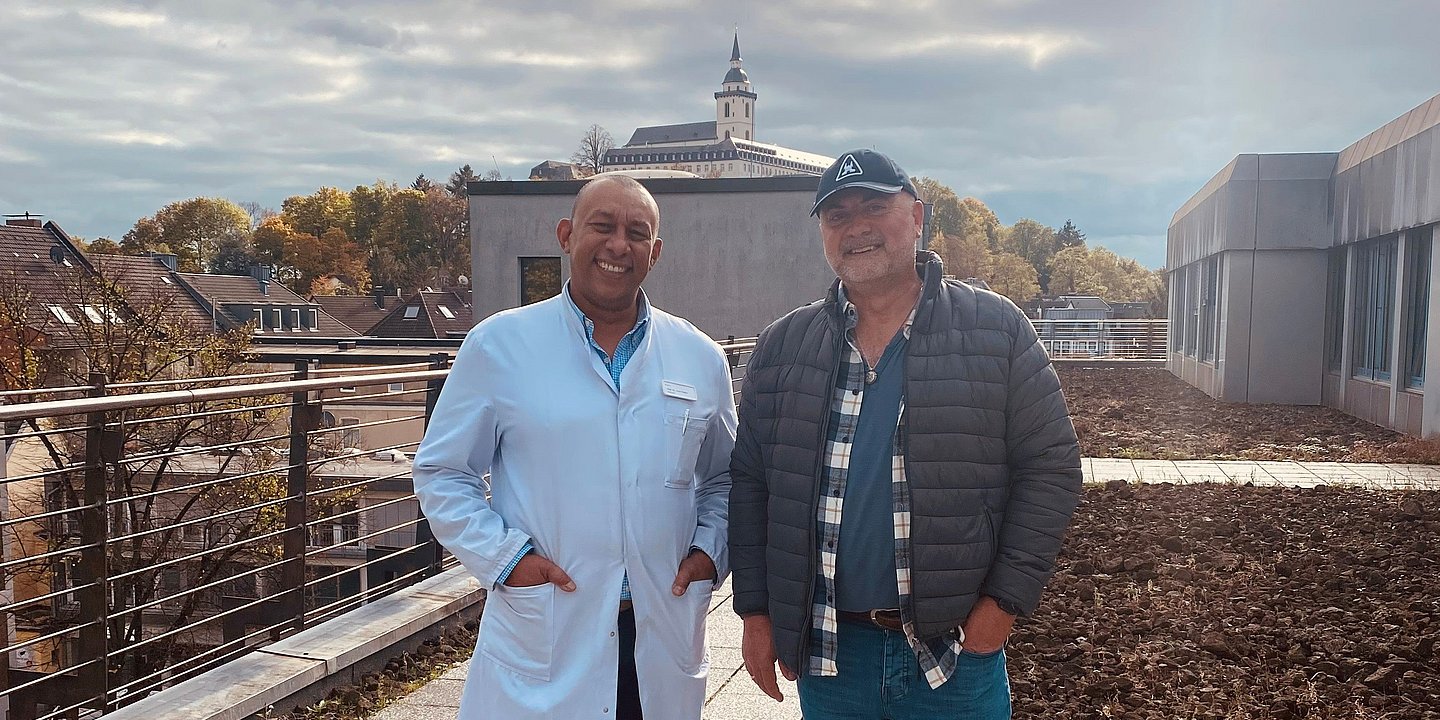
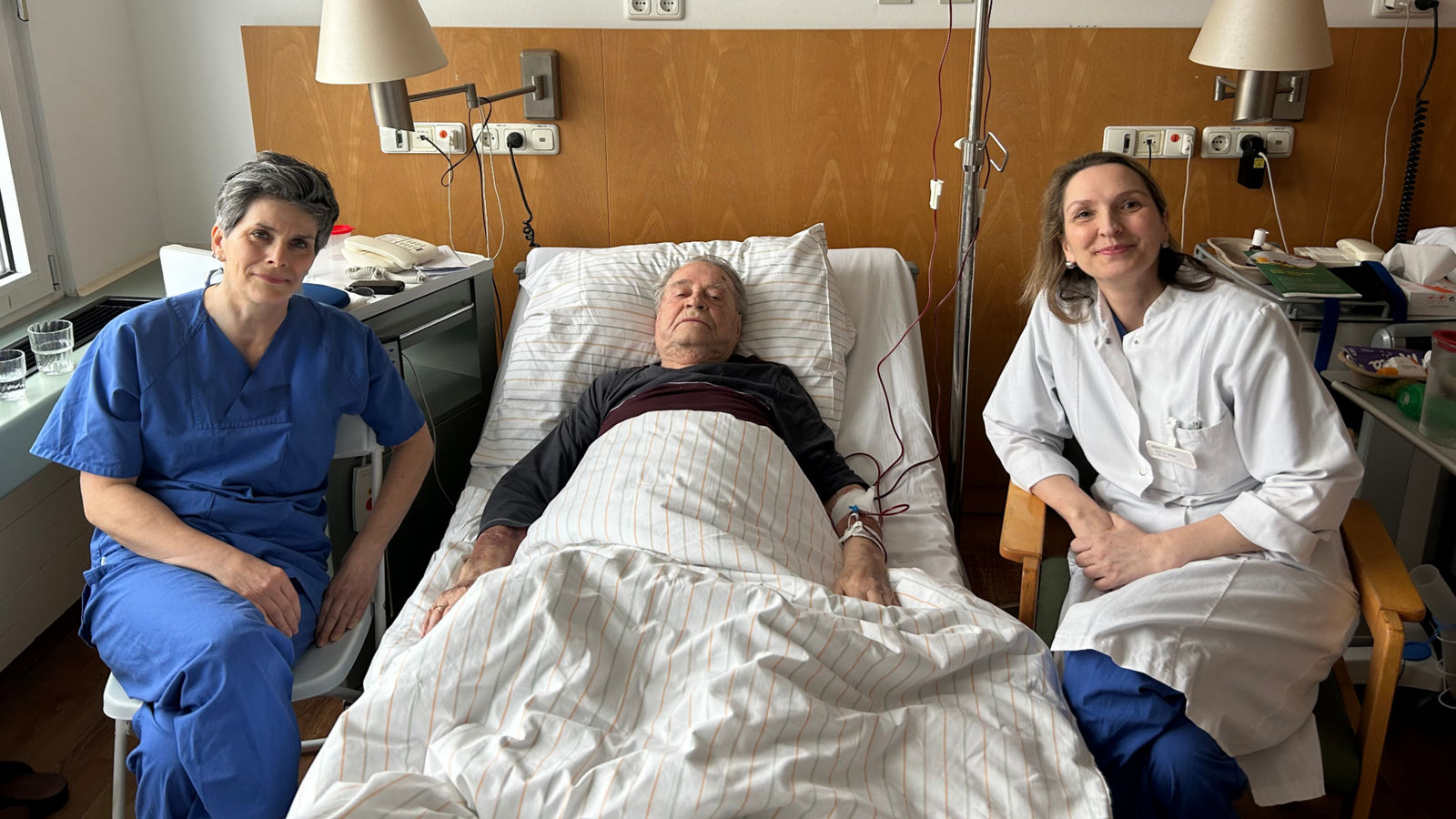
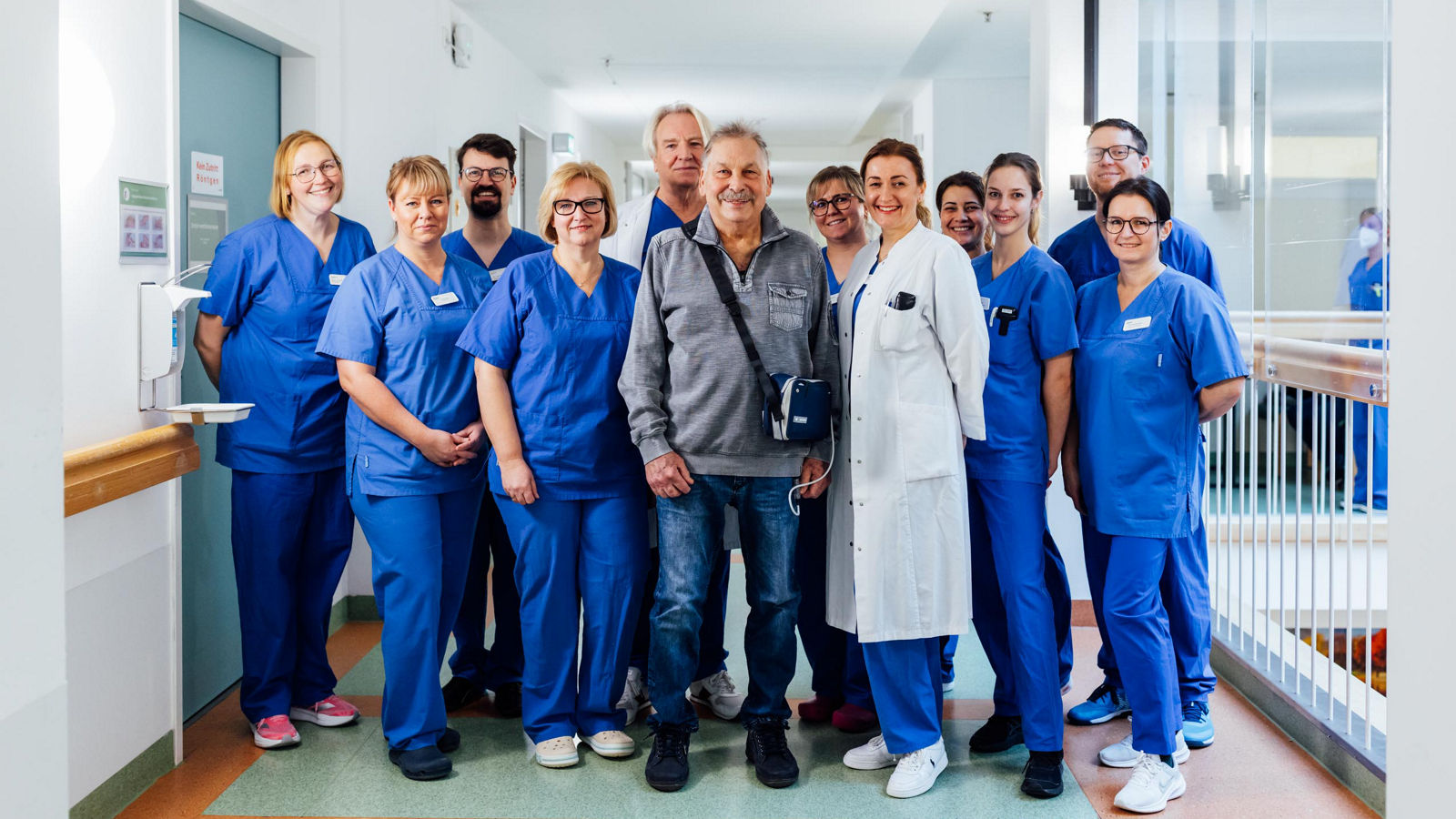
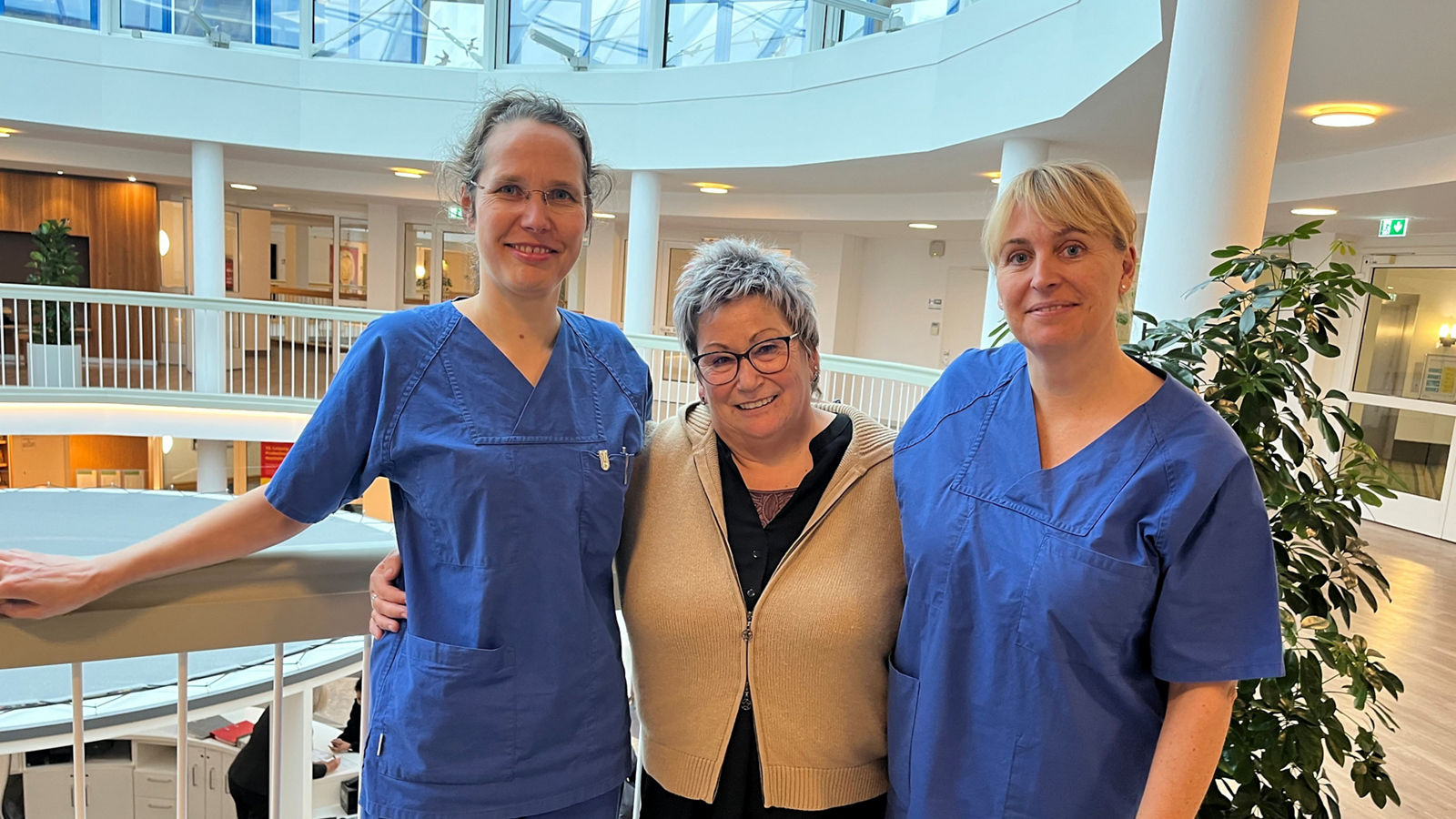
Kornelia Gernert, a trained men’s tailor from Sonneberg, used to be very physically active, practicing strength training and swimming. Over the years, however, her physical condition declined significantly, accompanied by fatigue, shortness of breath, and recurrent fainting episodes. Despite numerous visits to physicians, no cause was initially identified, and her symptoms were attributed to stress related to many years of caring for her then seriously ill husband. It was only during a hospital stay for an intestinal condition that an ECG was performed, revealing Brugada syndrome. “At first, I thought: am I going to die now? I didn’t know what it was. But suddenly, there were so many people standing around my bed,” Gernert recalls.
Brugada syndrome
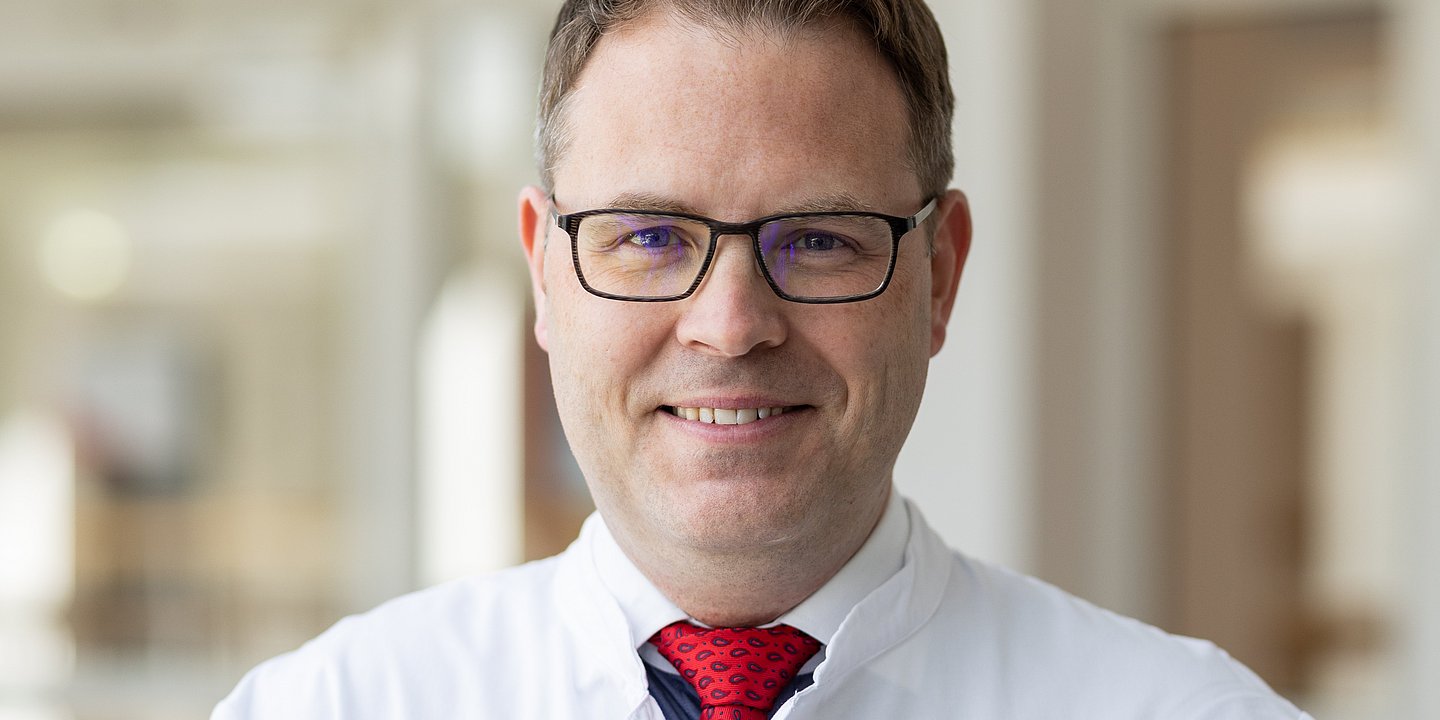
Brugada syndrome is a rare inherited disorder affecting the transmission of electrical signals in the heart. According to statistics, Brugada syndrome is diagnosed in approximately 5 out of 10,000 people worldwide (0.05% of the population), whereas cardiac arrhythmias overall affect about 0.5% of the global population (approximately 50–52.5 million people). Professor Dr. med. Daniela Husser-Bollmann, Professor of Cardiogenetics at the Heart Center Helios Leipzig, explains:
"The cause of Brugada syndrome often lies in a genetic alteration that affects the function of specific ion channels responsible for transmitting electrical impulses in the heart. The heart itself is structurally normal; however, the “electrical blueprint” contains a vulnerability that can trigger dangerous arrhythmias under certain conditions. Although the syndrome is not curable, the greatest risk—sudden cardiac death—can be almost completely prevented through the implantation of a defibrillator."
Implantation of a defibrillator
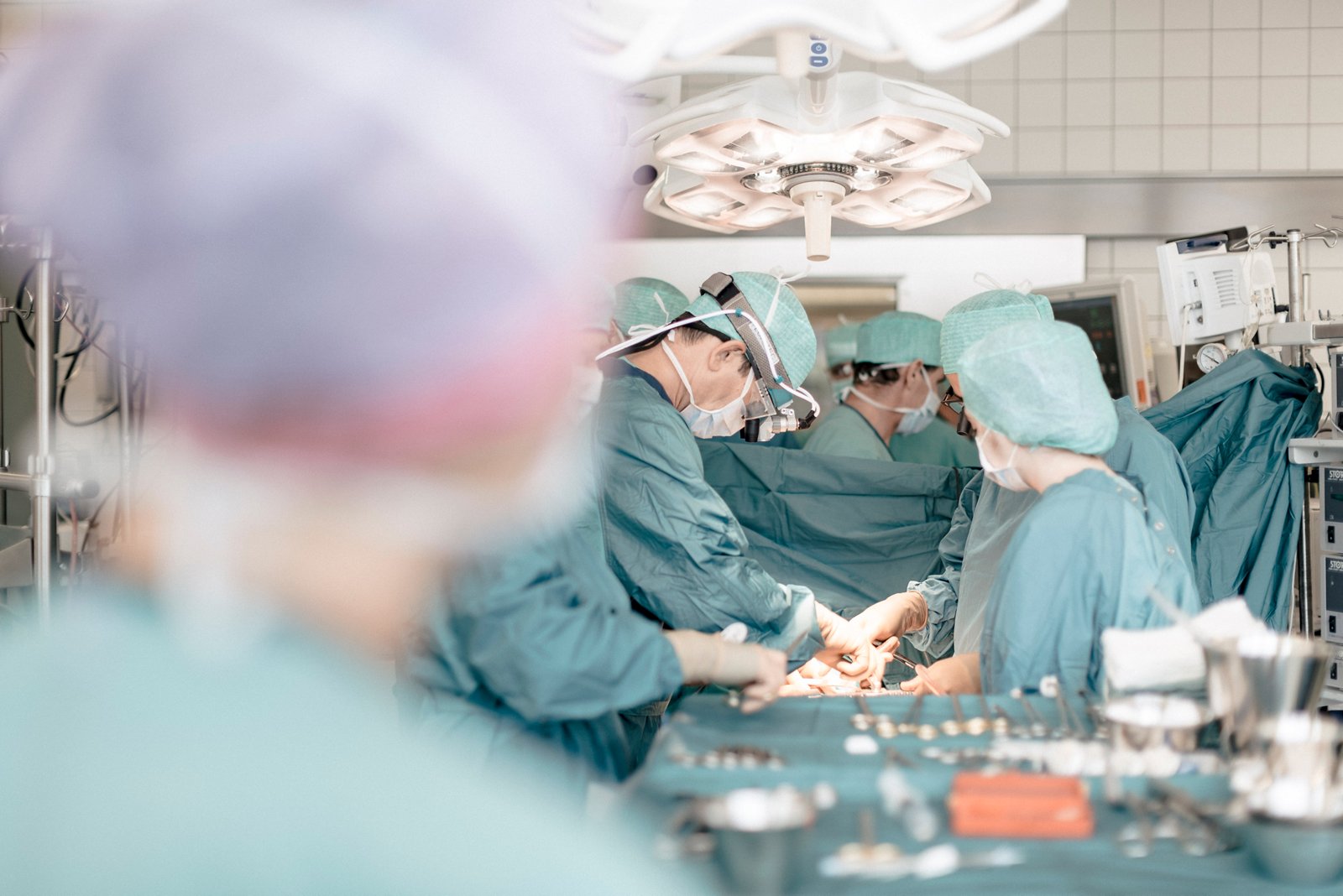
When the syndrome was diagnosed in Kornelia Gernert in 2019, only a few clinics in Germany were familiar with the specific characteristics of the condition. Together with her second husband, she began searching for a suitable medical center and eventually presented at the Heart Center Leipzig. There, Ms. Gernert initially opted for the implantation of a subcutaneous defibrillator in order to avoid complications such as infections or vascular occlusions.
The procedure was performed without complications; however, the device did not function as expected. Privatdozent Dr. med Kerstin Bode from the center explains:
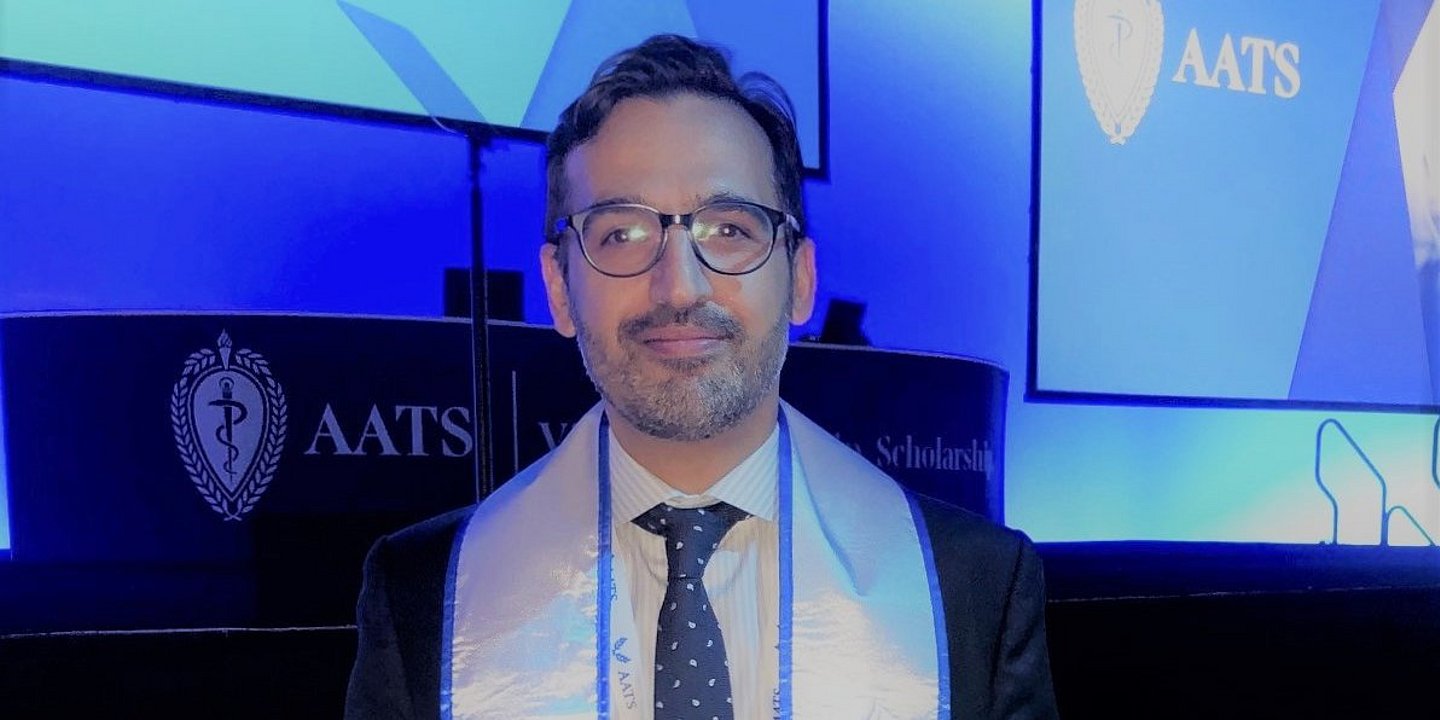
"Due to the patient’s unusual ECG, the device repeatedly detected arrhythmias where none were actually present and prepared to deliver a shock. Using telemedicine, we were able to identify the error; however, the system could not be corrected. As a result, we had to decide together with the patient whether to implant a different defibrillator model."
“For me, it was never a question,” emphasizes Kornelia Gernert. “I knew I needed my guardian angel to keep my heart functioning properly. And it was very important to me that the implantation was performed by the same team as the first time. That’s where I felt truly well cared for.”
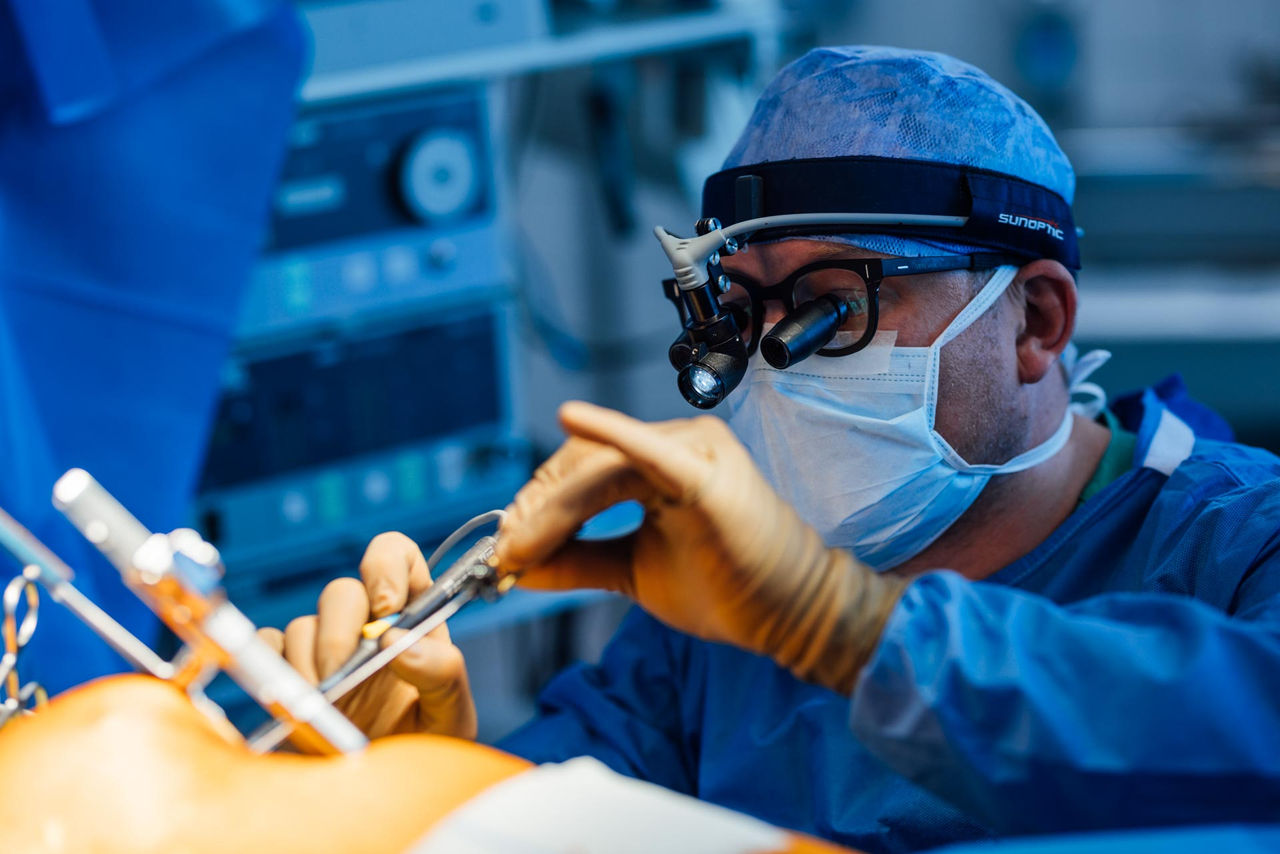
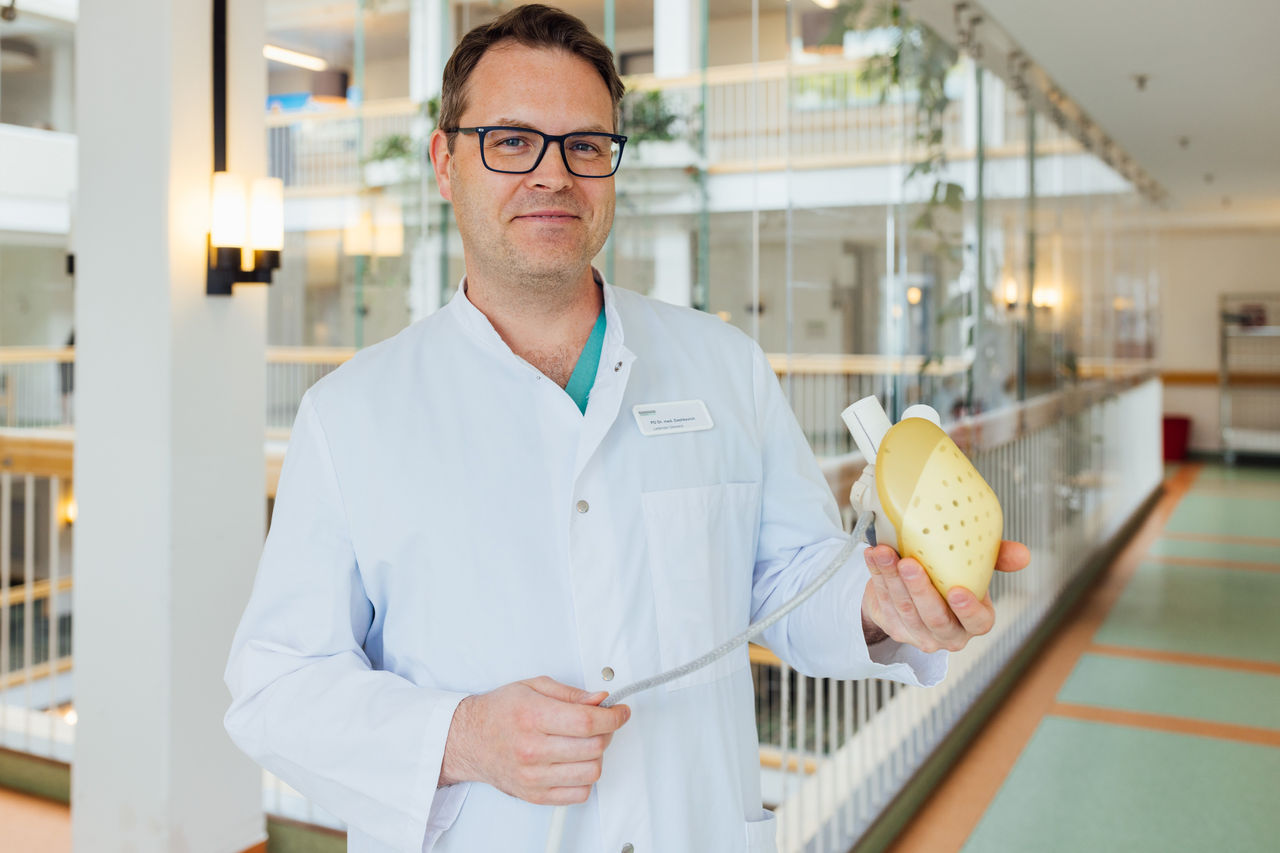
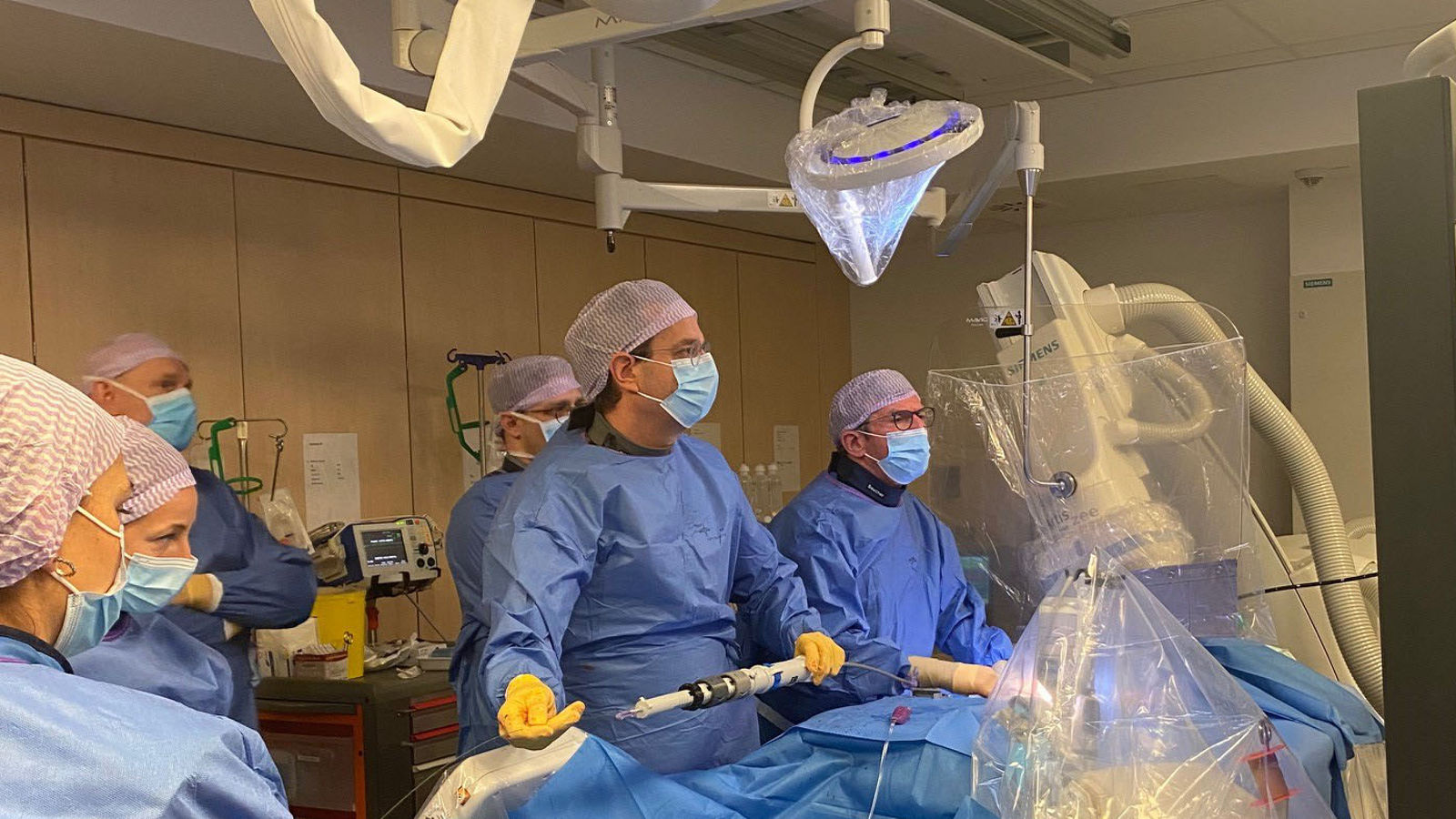
The electrophysiology team led by Privatdozent Dr. Bode decided to implant a novel extravascular defibrillator. Although the electrode is not positioned directly inside the heart, it fulfills all necessary functions: it can provide short-term pacing like a pacemaker, deliver a shock, and generate antitachycardia pacing without a shock, which is sufficient for regular tachycardias. Thanks to the targeted placement of the lead, the system received a stable, interference-free signal, ensuring reliable protective function.
Heritability of Brugada syndrome
Today, Ms. Gernert is feeling significantly better. She remains in close contact with the Heart Center Leipzig, and her relatives have also presented there for evaluation. Professor Husser-Bollmann explains:
The disease is often inherited in an autosomal dominant manner, meaning that if the syndrome is present within a family, close relatives have an increased likelihood of being affected as well. If a family member experiences syncope or if a relative has died from sudden cardiac death, genetic counseling is strongly recommended. In the case of Brugada syndrome, this particularly applies to parents, siblings, and children. Although the current patient is a woman, studies show that men have a significantly higher risk of developing cardiac arrhythmias. While the genetic predisposition may be present in both sexes, the clinical course of the disease often differs."
Diagnosis and treatment of Brugada syndrome
In recent years, significant advances have been made in the diagnosis and treatment of Brugada syndrome. Research has led to a better understanding of the genetic causes of the disease and their impact on the heart’s electrical function. At the same time, diagnostic methods have evolved: characteristic ECG changes can now be identified more precisely using provocation tests. Of particular importance is the fact that Brugada syndrome is now incorporated into clinical guidelines, which provide clear recommendations for diagnosis, risk stratification, and treatment—including decisions regarding the implantation of a defibrillator. As a result, the condition is now better researched, more safely treatable, and more firmly established in both medical practice and public awareness than it was just a few years ago.
Read more:
Do you need more information about Helios Hospitals or want to schedule your treatment?