
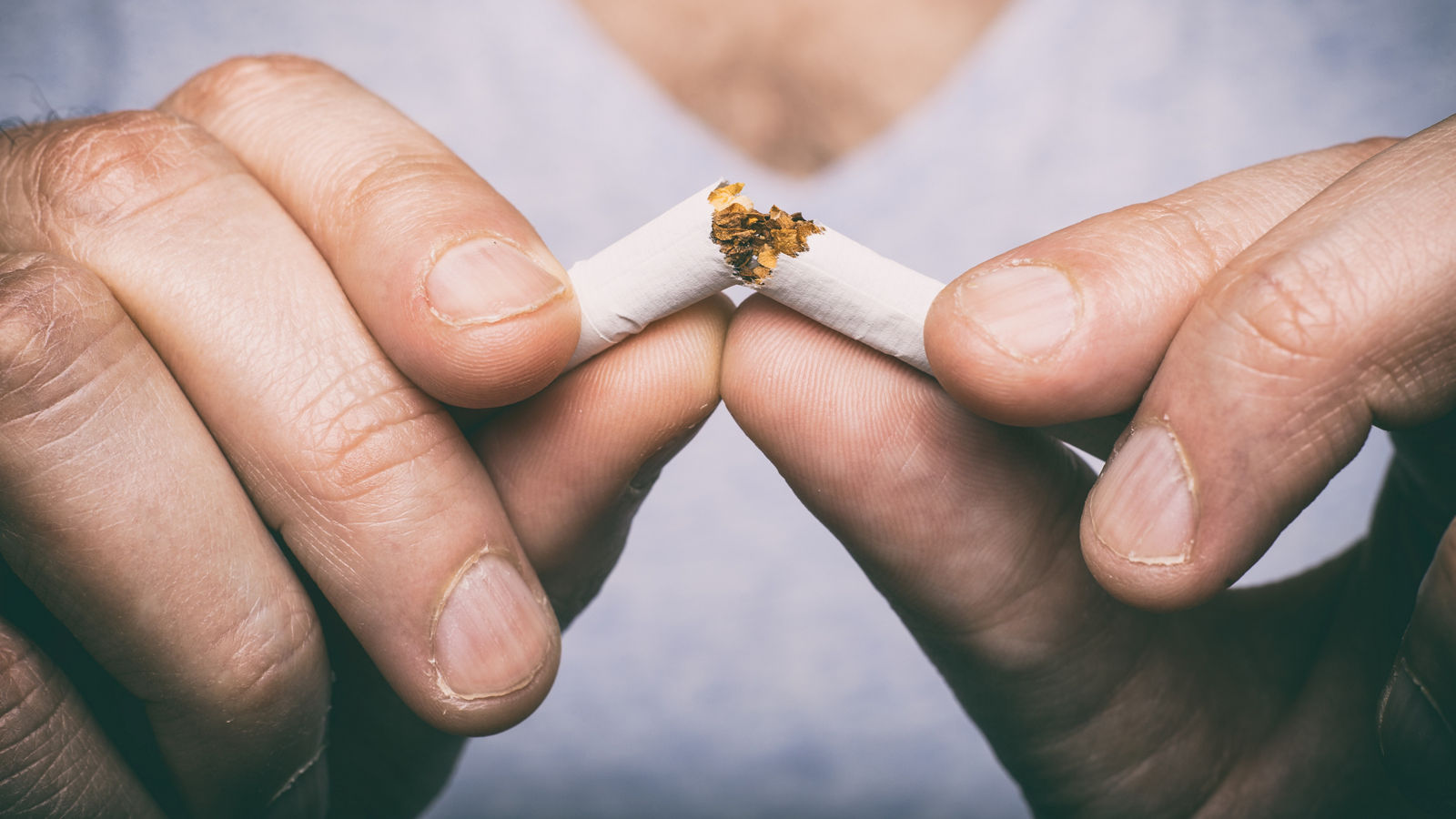
Tips for quitting smoking successfully
World No Tobacco Day at the end of May provides a good opportunity to finally quit smoking. For many people, smoking remains part of everyday life: the average annual consumption amounts to 795 manufactured cigarettes per person.
At the same time, the use of related nicotine products has been steadily increasing since 2018. In 2025, 3.0% of the population aged 14 to 64 used e-cigarettes, while 0.8% used heated tobacco products. Nevertheless, tobacco consumption remains one of the leading preventable health risks.
Smoking contributes to cardiovascular diseases, cancer, and type 2 diabetes, and it is particularly harmful to both mother and child during pregnancy.
Tobacco use damages the heart, blood vessels, lungs, and immune system
Compared to non-smokers, smokers face a two- to fourfold higher risk of developing cardiovascular diseases. According to Dr. Teichert, these diseases are the leading cause of death worldwide.
The effects of nicotine consumption may include narrowed blood vessels, plaque buildup, high blood pressure, and reduced oxygen supply throughout the body. In addition, tobacco smoke contains numerous harmful substances that can contribute to the development of cancer. Among other effects, these substances promote tumor cell growth, disable the body's protective mechanisms, and prevent damaged cells from self-destructing.
Nicotine use may also contribute to the development of type 2 diabetes. Smoking cigarettes or using related tobacco products during pregnancy is particularly concerning. Smoking can cause developmental disorders in unborn children and has been linked to an increased risk of hyperactivity and sudden infant death syndrome (SIDS).
“Many people underestimate the long-term effects of smoking on the entire body. Even just a few cigarettes a day can damage the heart, blood vessels, lungs, and immune system. Nevertheless, tobacco use continues to be widely normalized in our society. Quitting smoking is worthwhile in the long run, not only for health reasons but also from a financial perspective.”
— Dr. Sofia Teichert, Specialist in General Medicine, Helios Polyclinic Berlin-Buch.
The harmful effects of e-cigarettes and shishas
Believing them to be a healthier alternative, many people turn to e-cigarettes or smoke shishas (water pipes). From a medical perspective, however, caution is warranted in both cases.
Shisha smoke contains numerous harmful substances, including nicotine, tar, carbon monoxide, and heavy metals. According to Dr. Sofia Teichert, consumers may absorb 50 to 100 times the amount of harmful substances contained in a single cigarette due to the often lengthy smoking sessions.
E-cigarettes are not risk-free either. Although they do not involve the traditional combustion process, the substances they contain can promote inflammatory reactions and damage the lungs and blood vessels. As a result, the long-term consequences of these supposedly less harmful alternatives are far from harmless. In addition, the risk of nicotine addiction remains.
Quitting smoking completely
People who want to quit smoking should take a consistent approach, says Dr. Sofia Teichert. She advises against gradually reducing tobacco consumption and instead recommends setting a clear quit date and stopping completely.
Support is available through counseling services and smoking cessation programs. For individuals with severe nicotine dependence, medication-based therapies may be effective. Beginning a smoking cessation program during a hospital stay can also be beneficial, as professional support is readily available.
According to Dr. Teichert, quitting together with friends, family members, or colleagues can also improve the likelihood of success. Mutual encouragement and clearly defined goals often increase motivation and help people stay committed.
The health benefits of quitting smoking are substantial. After just eight hours, carbon monoxide levels in the blood decrease while oxygen levels rise. After 48 hours, the senses of taste and smell begin to recover. Within two to three weeks, lung capacity improves. After a few months, breathing becomes noticeably easier. And after about five years, the risk of a heart attack is significantly reduced.
At the same time, quitting smoking benefits personal finances. On a broader economic level, smoking cessation reduces pressure on the healthcare system because treatment costs associated with nicotine-related diseases are minimized or eliminated.
For this reason, awareness campaigns and initiatives such as World No Tobacco Day aim not only to educate smokers about the many health risks but also to encourage them. Quitting is worthwhile at any age—and, with persistence and support, it is achievable for everyone in the long term.
Read more:
Do you need more information about Helios Hospitals or want to schedule your treatment?