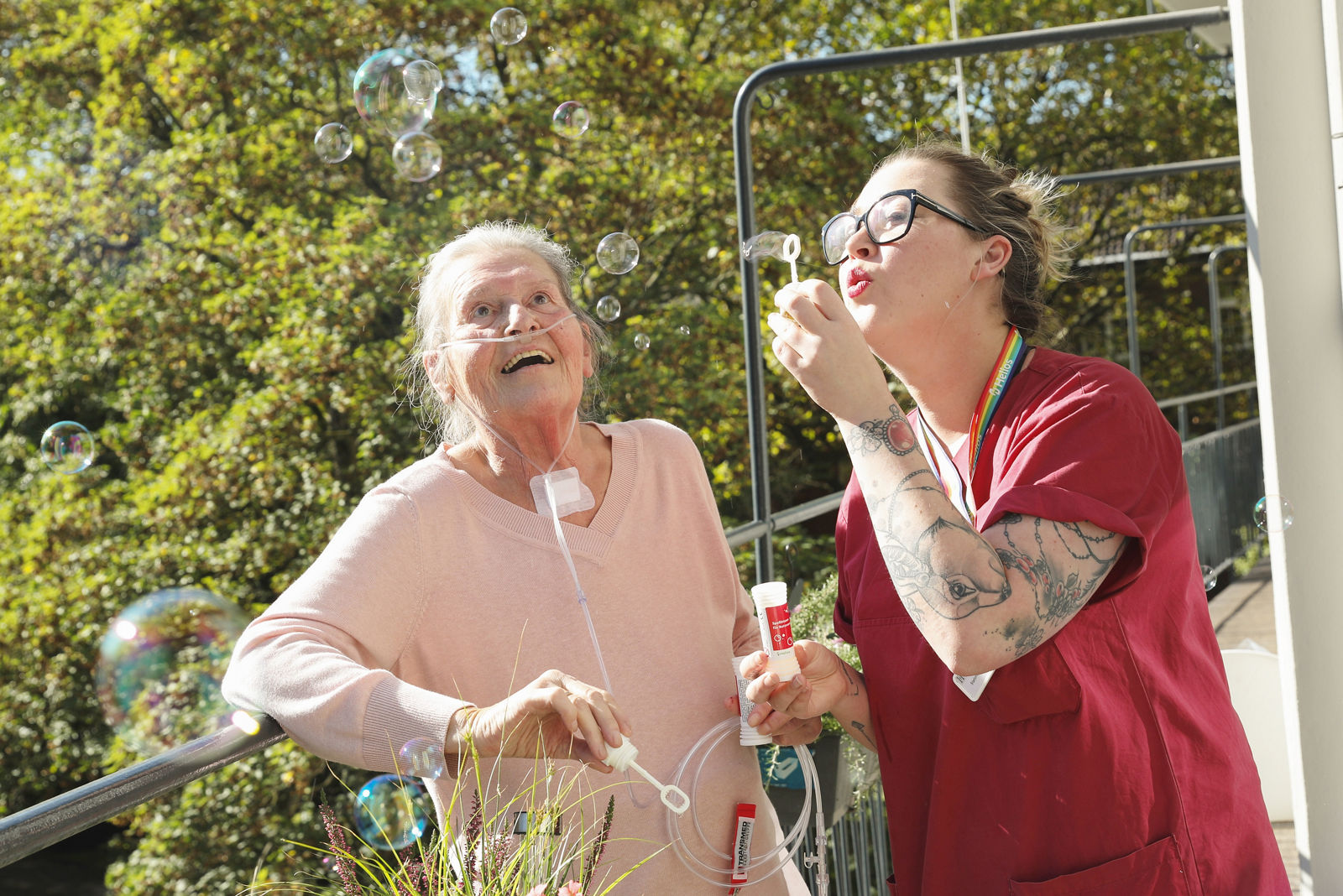
Helios Hospital Krefeld: Self-determined life without ventilator and tracheostomy
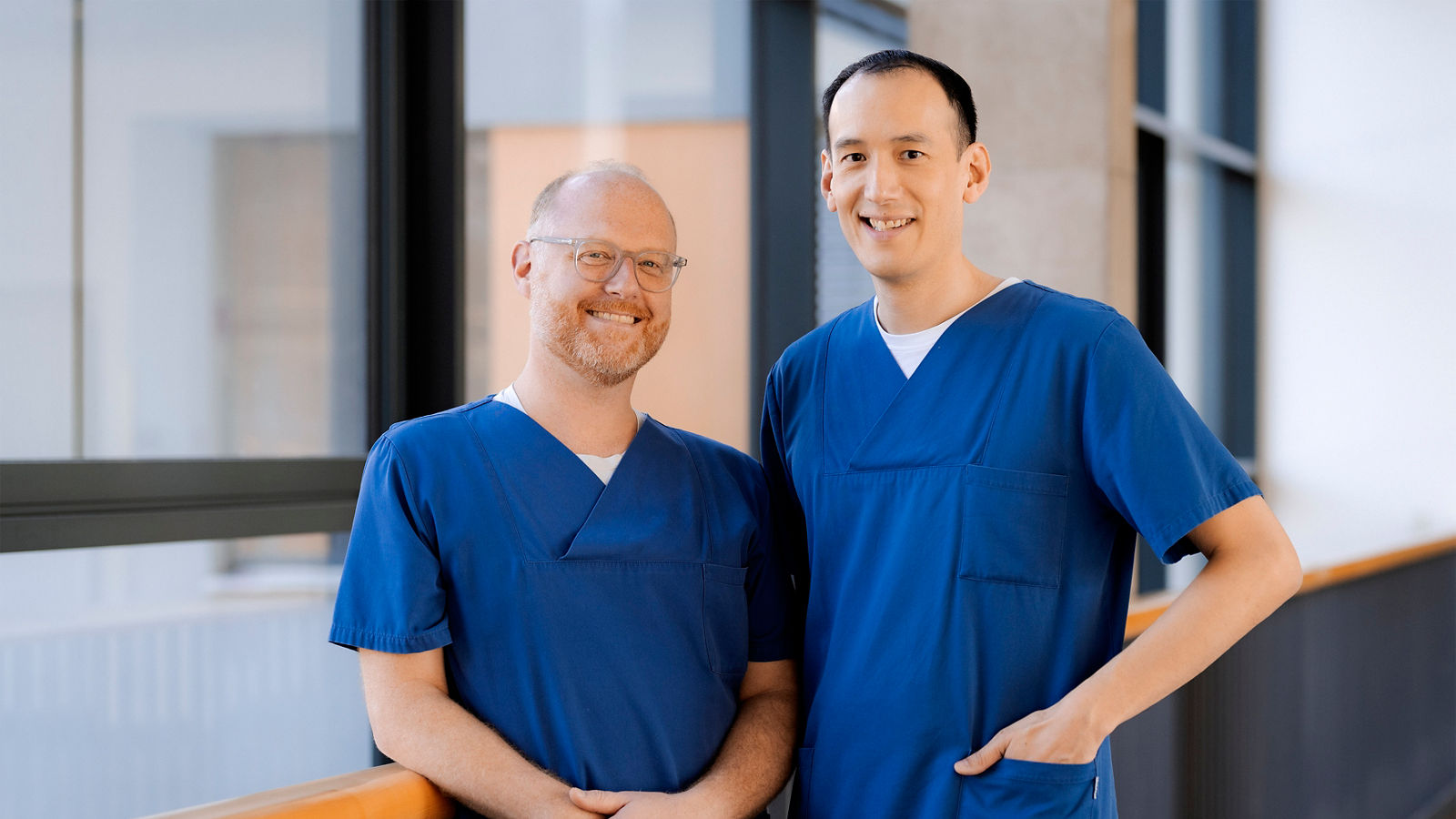
Interview: Dr. med. Mathias Lehmann, senior physician for pneumology, sleep and respiratory medicine & Dr. med. Sven Peeters, doctor in further training at the Lung Center at Helios Hospital Krefeld.
What have you been working on?
Ventilation therapy is now a central component of modern intensive care medicine and at the same time a particular therapeutic challenge. It now accounts for around half of the resources and costs available for intensive care medicine. On a national average, around 50 to 60 percent of patients on long-term invasive ventilation could be weaned successfully. However, around 30 to 40 percent only achieve partial weaning from ventilation with a significant reduction in quality of life. These patients are discharged to outpatient care, so-called shared ventilation units, while still requiring ventilation.
In order to give them the prospect of being weaned off artificial ventilation as completely as possible, in 2015 we looked for a care model that would enable extended and intensified therapy beyond the regular hospital stay. The initial goal was therefore to relieve more seriously ill people of the burden of remaining dependent on artificial ventilation for the rest of their lives. More time and more intensive nursing and therapeutic care were needed to improve the respiratory* situation - i.e. breathing - and, in the next step, to wean patients off artificial ventilation and tracheostomy tubes as completely as possible. This was the birth of “Lebensluft”. On the “Lebensluft” ward, set up as a residential community, up to 20 patients can be individually supported at the same time with intensive physiotherapy, occupational therapy, respiratory therapy and medical care - and thus gradually weaned off ventilation. A stay of six months is possible, but on average only around three months are required. After this, patients can usually be discharged home, possibly with the support of a nursing service.
"The goal worthy of support must be to achieve permanent weaning from the ventilator for all patients, but especially for those on long-term invasive ventilation, in order to improve quality of life and reduce costs. This requires targeted weaning strategies."
- Mathias Lehmann, Senior Physician in Pneumology, Sleep and Respiratory Medicine | Helios Hospital Krefeld
What is the result of your innovative care concept?
On average, we need twelve weeks and achieve complete weaning from the ventilator for 60 percent of our patients. Patients were admitted from intensive care units, weaning* wards and shared ventilation units. In some cases, patients can be discharged back into their home environment. The level of care also decreases due to improved autonomy and mobility, which not only significantly improves quality of life, but also dramatically reduces costs. From 2016 to 2024, a total of 285 patients were discharged decannulated from the “Station Lebensluft” - this corresponds to 56%. They all no longer required artificial ventilation and tracheostomy tubes. The process is comparable to fitness training in competitive sport over an average of eight to ten weeks.
“The success of the ‘Lebensluft’ model project at Helios Klinikum Krefeld shows the potential of this special withdrawal therapy, which can significantly improve a nationwide care problem - through more time, an intensive, small-scale therapy process and a supportive environment.”
- Dr. med. Manuel Streuter, Chief Physician of the Clinic for Pneumology, Sleep and Respiratory Medicine at the Lung Center | Helios Hospital Krefeld
What was the biggest challenge in your model project?
As treatment at the “Station Lebensluft” has the characteristics of both inpatient treatment and outpatient care, one major challenge was to establish this project in the context of our dual healthcare system. Thanks to the initial partnership with AOK Rheinland/Hamburg, it was ultimately possible to implement a model project that attempts to overcome these supposed contradictions. In this way, this could perhaps be a complementary care concept for patients with serious chronic illnesses in the future.
The local and organizational conditions had to be created here at the site for the establishment of the “Lebensluft ward”. Thanks to the extensive specialist expertise in the area of weaning lung patients from the respirator and tracheal cannula, the personnel requirements were already in place. The already trained respiratory, physiotherapy and occupational therapy disciplines were also directly involved in the new ward. We therefore only had to adapt the material equipment of the “Lebensluft ward” specifically to weaning from the respirator and tracheostomy tube. This means that complete medical care is now possible on our new “Lebensluft ward” and the resources of the maximum care provider can be used quickly.
With our approach, we have always pursued the goal of finding solutions together, leading the way and having a broad impact through imitators.
Read more:
Do you need more information about Helios Hospitals or want to schedule your treatment?