Kassel: Innovative pectus excavatum surgery
The deformity was first noticed by his mother when Niklas experienced a growth spurt at the age of 17. “Suddenly there was this hollow in his chest,” recalls Niklas’ mother, Antonia Hilgers-Agnello, herself a trained medical assistant. “I took all four of my boys to every routine pediatric check-up. Nothing was ever unusual. But when I saw that hollow, I immediately knew something was wrong.” A visit to the pediatrician brought little clarity: “Let’s wait, the boy is still growing,” was the initial assessment. But his mother remained persistent, repeatedly consulting the family doctor and eventually visiting an orthopedic clinic. There, physiotherapy was recommended. “Of course, we tried that too. But it was clear to me that a bony deformity cannot be corrected with a few exercises. I didn’t feel we were being taken seriously.” Three different medical practices kept referring the now 21-year-old from one doctor to another, with months-long waiting times for appointments.
The right diagnosis in the right place
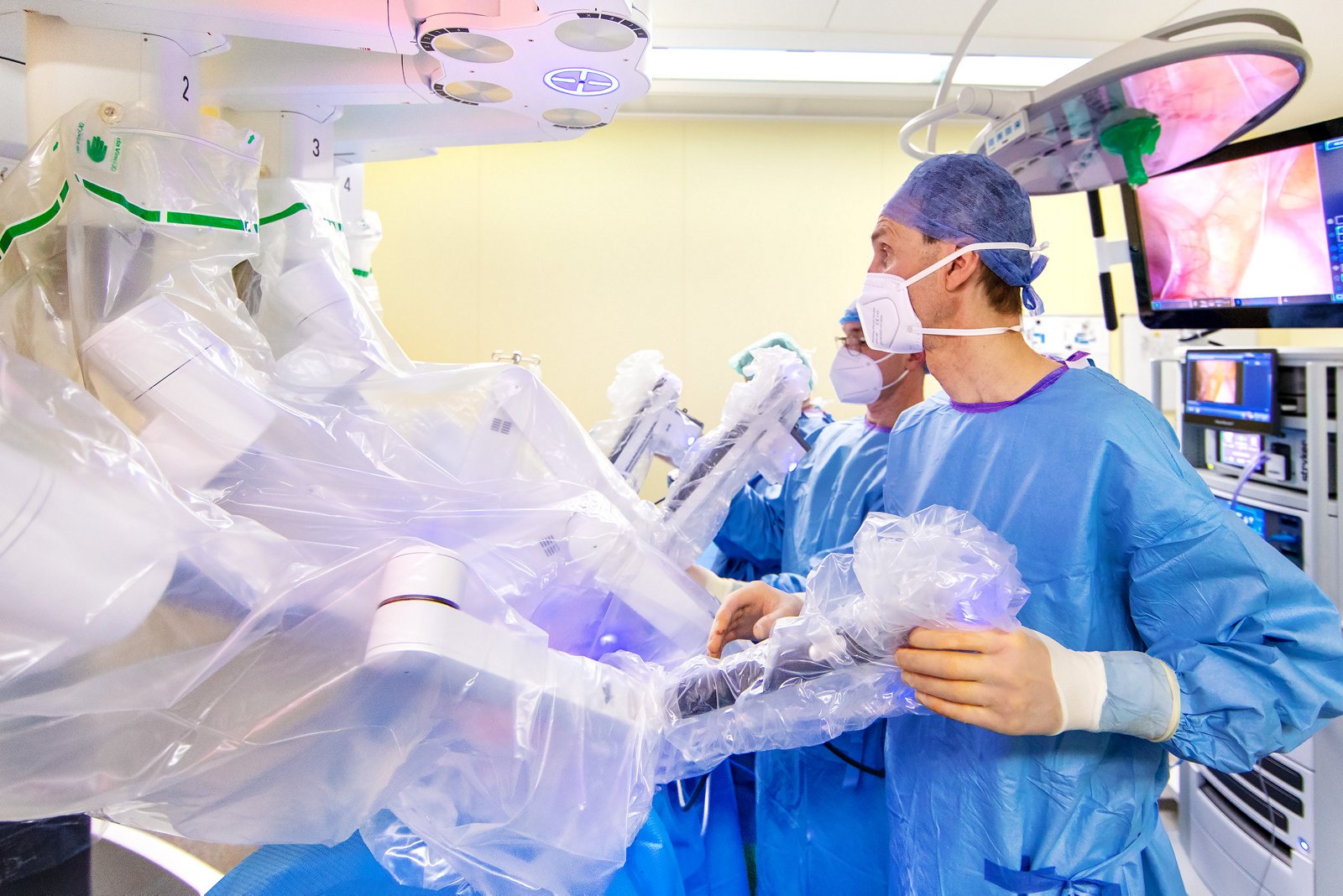
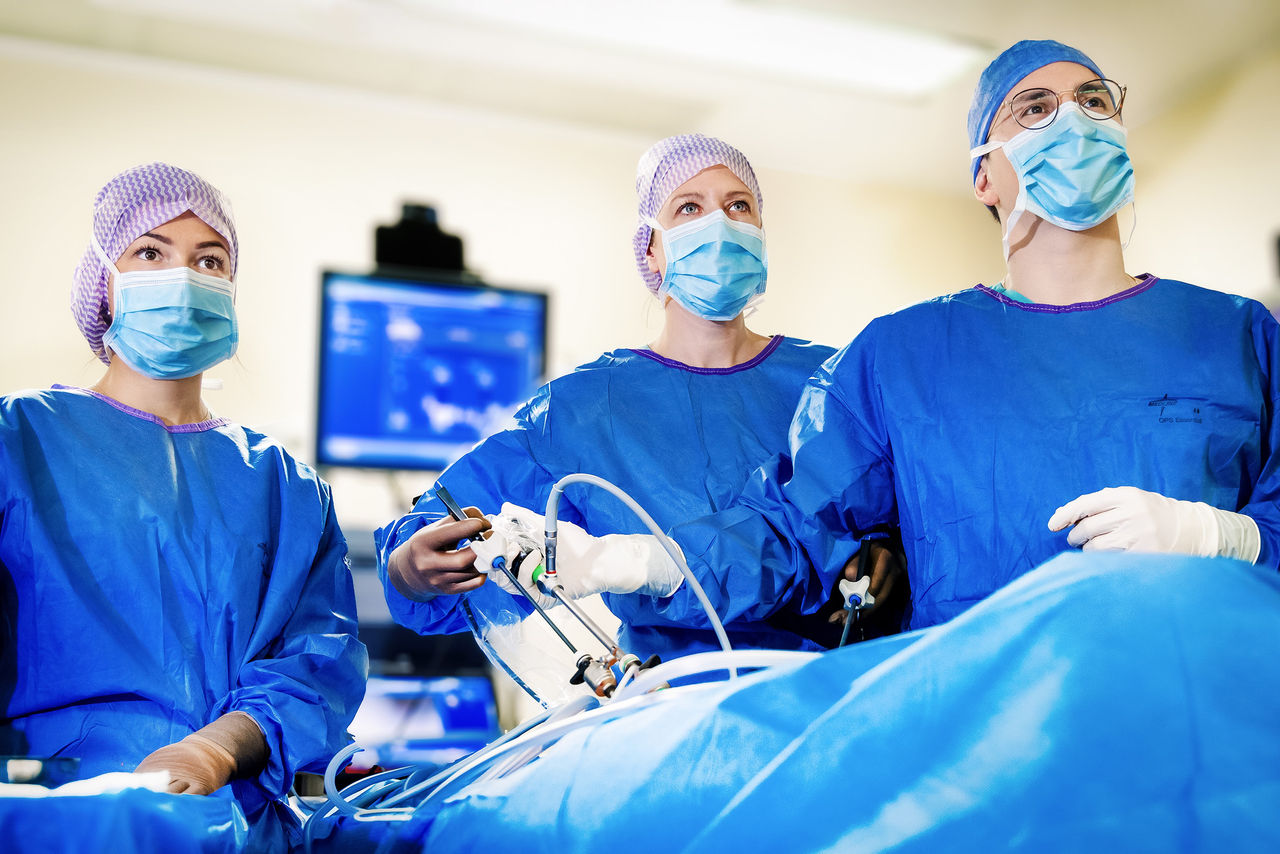
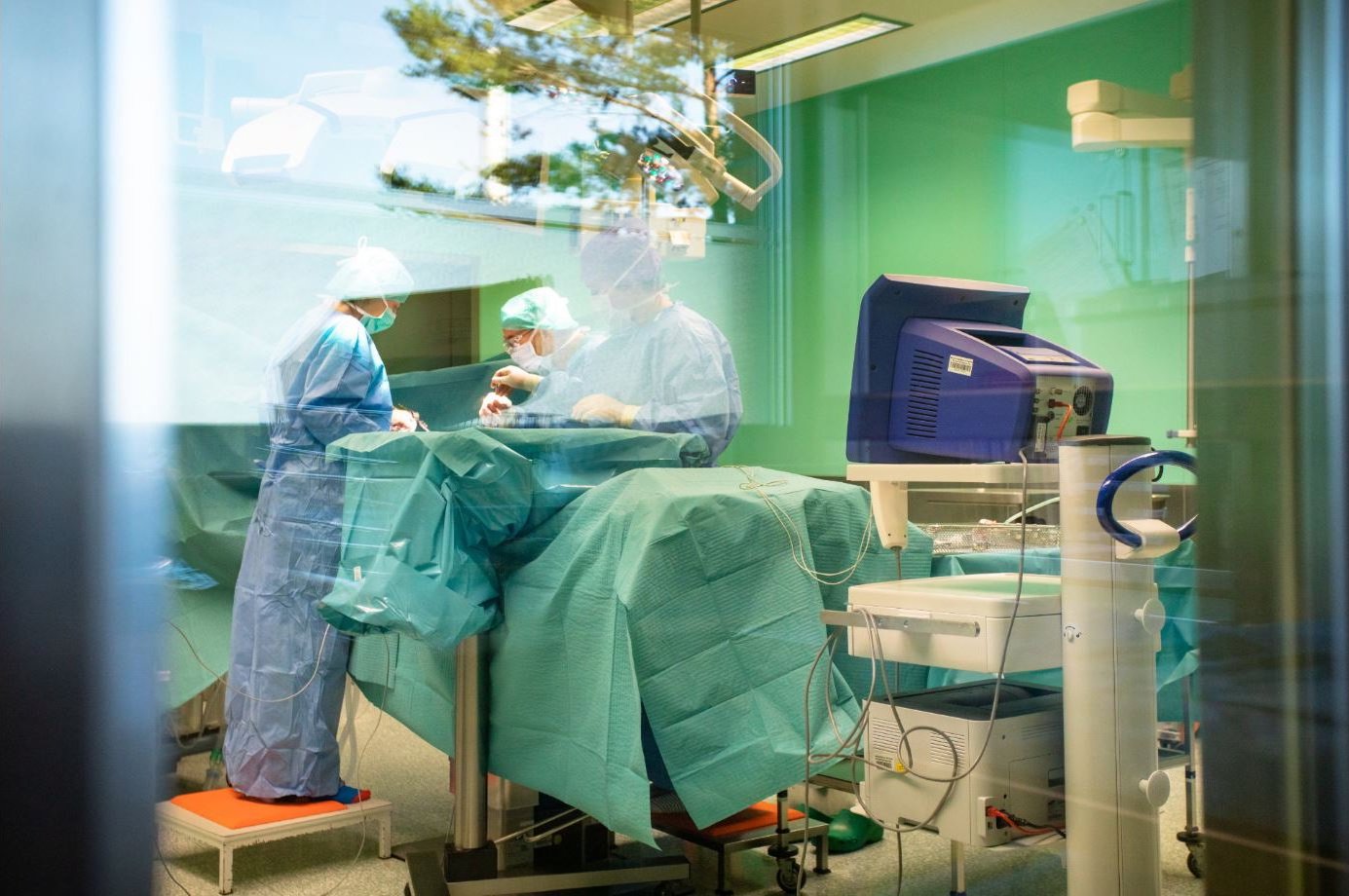
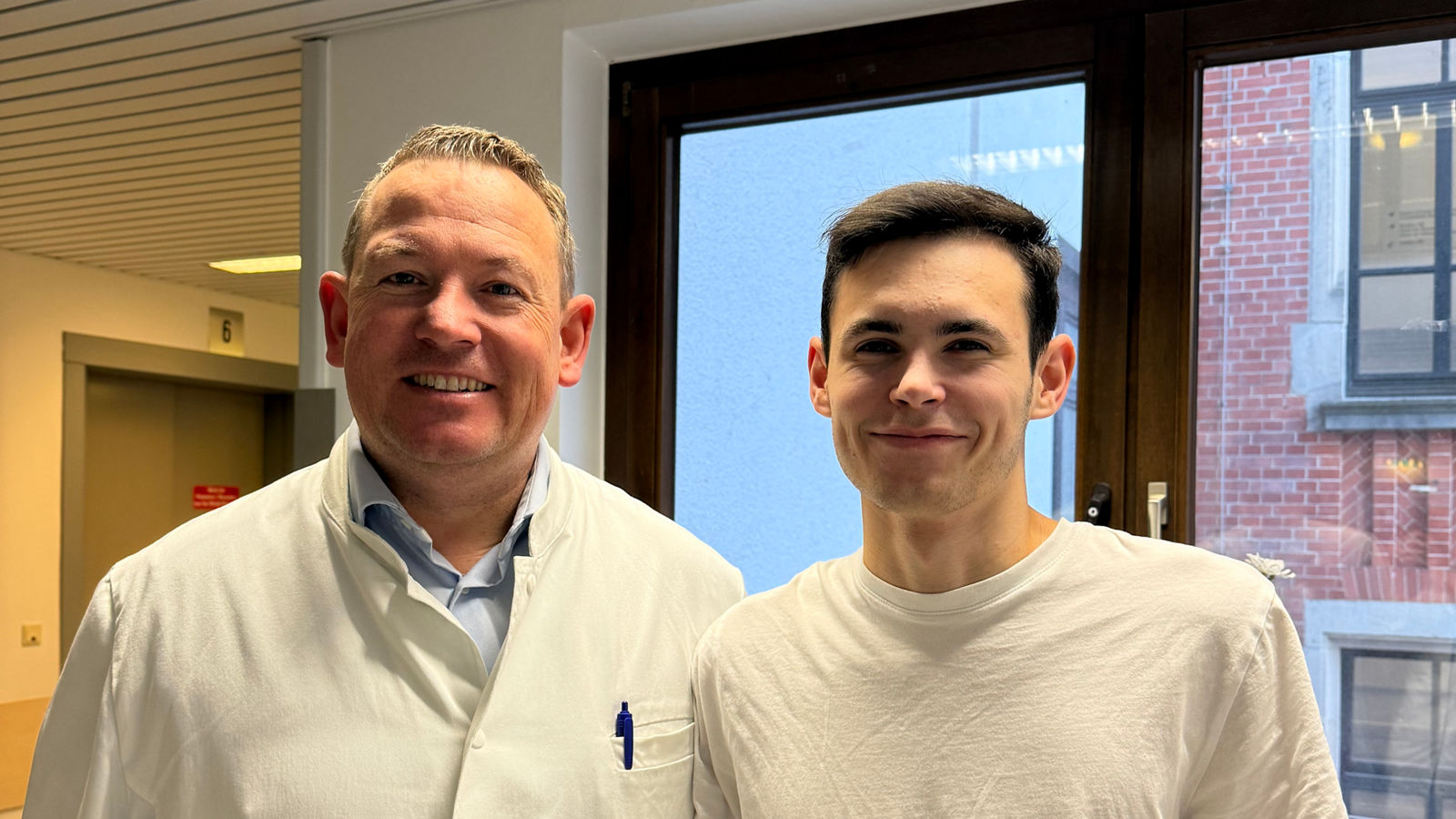
Niklas’ pneumothorax in the summer of 2024 ultimately became the turning point. At Helios Hospital Kassel, his X-ray landed on the desk of Dr. Christian Meyer, Head of the Department of General, Visceral, Thoracic, and Vascular Surgery. “The images clearly showed that lung volume was significantly reduced due to the sunken chest. The ribs were compressing the heart and lungs—we had to act,” explains the physician. Dr. Meyer recommended surgery to restore the chest wall to its natural shape. The procedure, performed using the Nuss technique, is minimally invasive: a metal bar is placed behind the sternum to gently push the chest outward. What made Niklas’ surgery special was the innovative pain management method used for the first time by Dr. Meyer.
Pain reduction through freezing — a premiere in Kassel
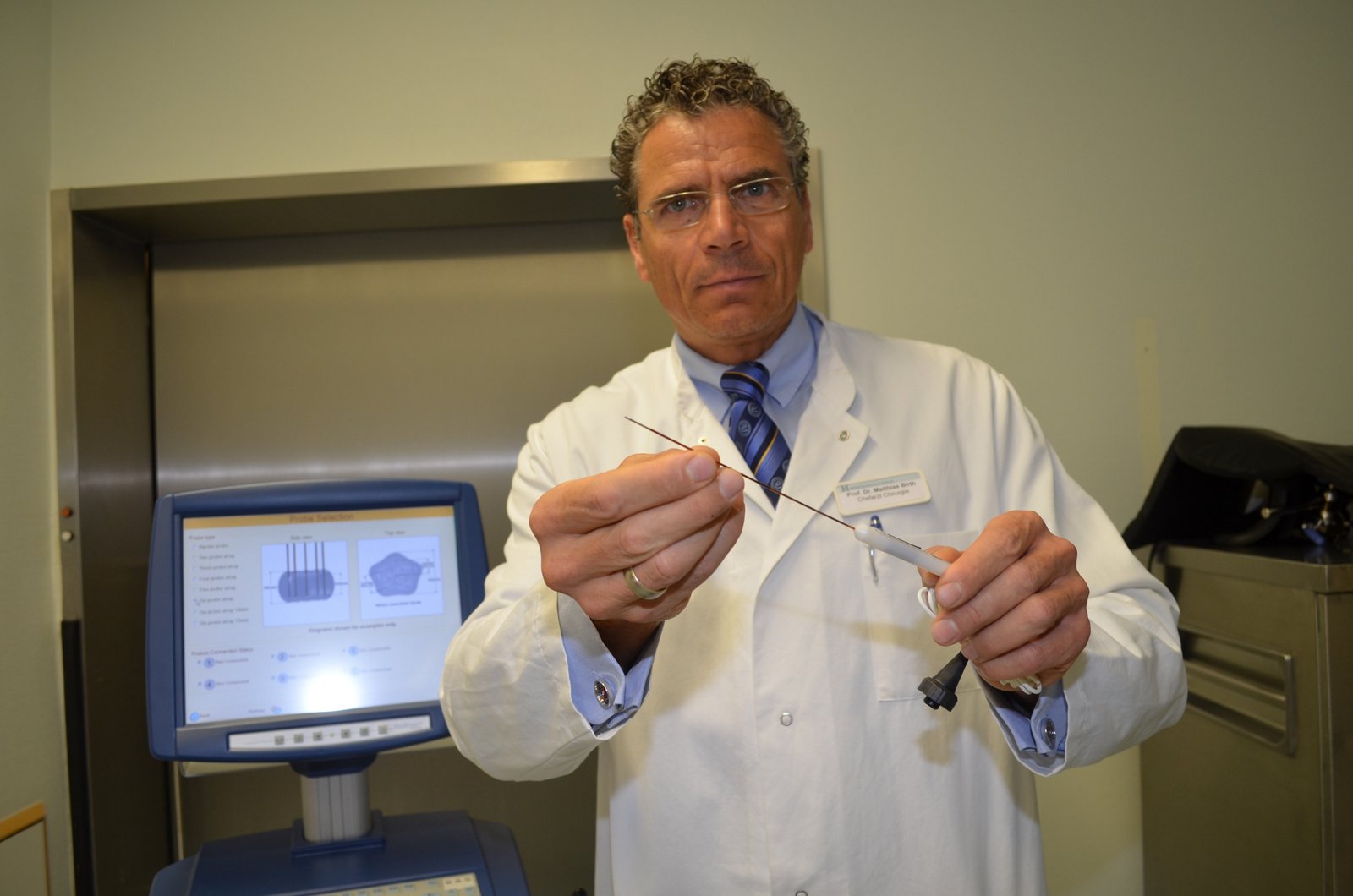
The use of cryoablation on the chest wall was a first at Helios Hospital Kassel. “We specifically froze the nerves along the affected ribs so that they cannot transmit pain signals for several months,” explains Dr. Meyer. “After about three to six months, nerve function fully returns. This is exactly the period during which the body adapts to the new chest shape.” The success was evident shortly after surgery: just two days later, Niklas was sitting cross-legged on his bed, laughing with his mother and joking with the medical team. The pain was surprisingly mild, while the joy about the outcome was immense: “I’m just happy everything worked so well. Dr. Meyer gave me my joy of life back.”
Finally breathing freely — with a new perspective
When you go through numerous consultations and keep being turned away, you eventually feel helpless, says Niklas’ mother: “When Dr. Meyer told us that something could be done, I was simply grateful. Finally, my son received help.” Niklas is now entering a new chapter. For the next six months, he will have to refrain from sports, especially those involving intense physical contact. After that, however, he will be able to fully return to an active life. He is particularly looking forward to activities that previously quite literally took his breath away.
Expertise in thoracic surgery
With innovative procedures and an interdisciplinary team, the Department of General, Visceral, Thoracic, and Vascular Surgery at Helios Hospital Kassel ensures that patients like Niklas can breathe freely again and feel comfortable in their bodies. “It’s about health and quality of life,” says Dr. Meyer. “We were able to successfully restore both for Niklas.” The operation was therefore not only a medical success but also an emotional one. Niklas now stands tall, with a confident smile—ready for whatever comes next.
Read more:
Do you need more information about Helios Hospitals or want to schedule your treatment?