Heart Center Leipzig: Normal life expectancy despite rare disease
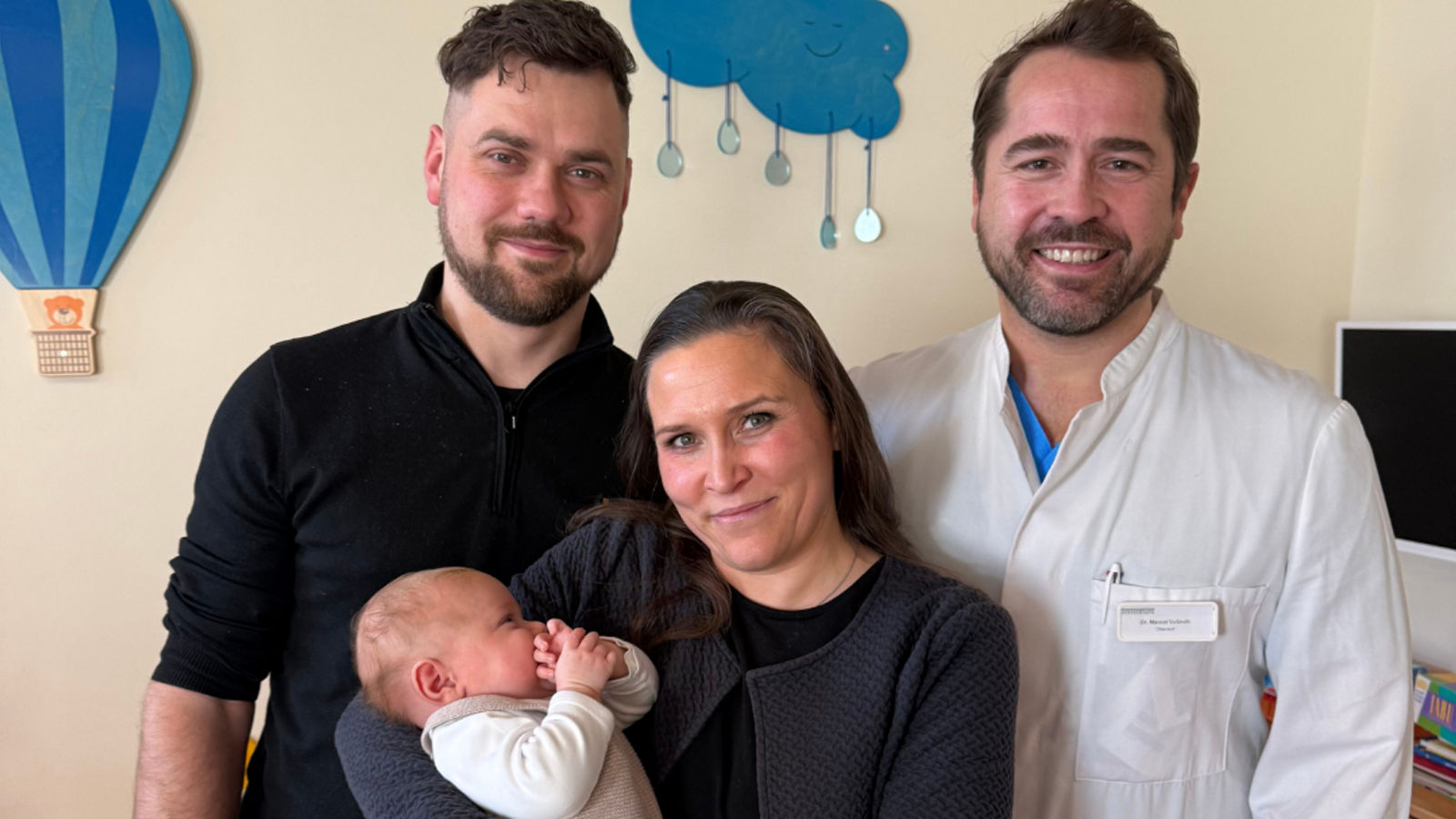
On November 13, 2024, Leonard was born with an unusual combination of anomalies: he suffered from "situs inversus totalis", a mirror-inverted arrangement of the internal organs. This condition alone is often asymptomatic because all organs are mirrored in their entirety and fulfill their functions as usual. In combination with transposition of the great arteries (TGA), in which the main artery and pulmonary artery are also reversed, the anomaly endangered Leonard's life immediately after birth. Without surgical correction, the boy would not have been able to develop normally. "The combination of these two rare conditions makes the anatomical situation unique and significantly complicates medical assessment and treatment. Doctors have to adapt to the mirror-inverted anatomy, especially when performing surgical procedures. Without timely surgical correction, life expectancy is limited to a few months to a few years at most," explains Dr. Marcel Vollroth, Senior Consultant in Pediatric Cardiac Surgery at Heart Center Leipzig
The serious heart defect was diagnosed during a specialized ultrasound examination during the pregnancy. "At first we thought everything was fine. But then the doctor took a closer look at our baby's heart and realized that Leonard would not be able to survive without immediate intervention. That was a shock. But we had to come to terms with it and just carried on working - for our other two children too," reports Franziska R., Leonard's mother.
Thanks to the close cooperation between prenatal diagnosticians and the specialists at the Children's Heart Center Leipzig, the blood flow was stabilized on the first day of life by means of a catheter intervention. On the fifth day of life, the complex and life-saving open heart surgery was performed on the newborn. The reversed main vessels were severed and brought into their physiologically correct position. The coronary arteries had to be precisely rerouted and reattached - a challenge given the reversed anatomy. Under the direction of Dr. Vollroth, the team was able to successfully restore the blood flow so that the heart now works as it would in a healthy child. The time immediately after the birth was particularly challenging for the parents. "Leonard was transferred to the Heart Center just a few hours after the birth. It was hard to be separated from him. But when we found out that the operation had been successful, it was an incredible weight off our shoulders," recalls mom Franziska.
Only four days after the operation was Leonard's chest closed to give his heart and lungs enough time to recover. After a total of 19 days in hospital, he was discharged home at the beginning of December. Today, the boy is developing like a healthy baby.
"In the long term, Leonard has almost the same life expectancy as a child with a healthy heart."
- Dr. med. Marcel Vollroth, Senior Consultant Pediatric Cardiac Surgery | Surgical Director of the EMAH Program | Heart Center Leipzig
Leonard's story shows how important specialized medical facilities such as Herzzentrum Leipzig are in the treatment of rare diseases. Transposition of the great arteries occurs in around five percent of children with congenital heart defects. However, the case is particularly unusual due to the combination with a situs inversus, which occurs in around 1 in 20,000 births. "With our expertise and the interdisciplinary collaboration between paediatric cardiology, cardiac surgery and other specialist areas, we offer a precise diagnosis and tailored treatment for these rare and complex cases," explains paediatric cardiac surgeon Dr. Vollroth.
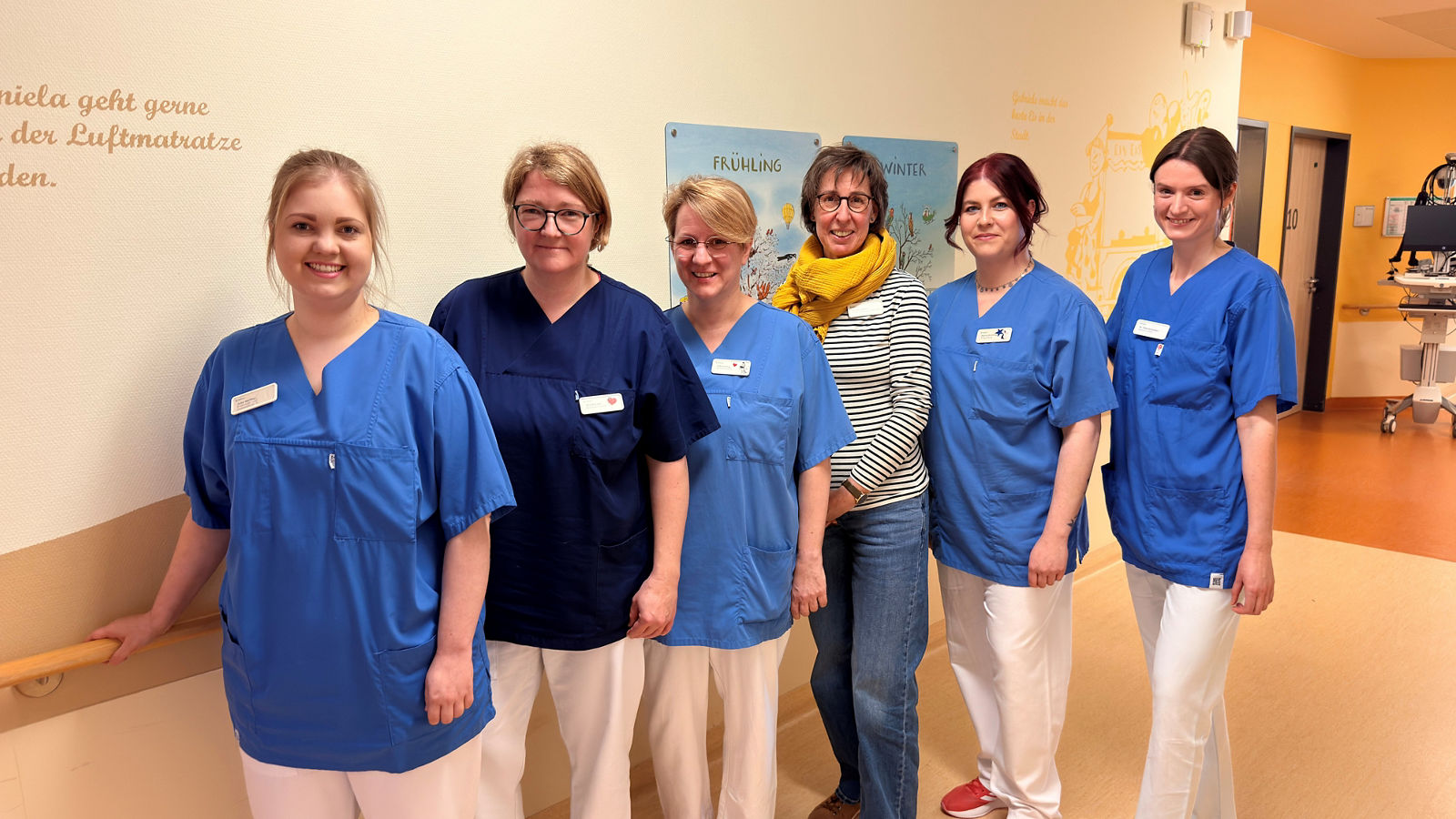
"It helped us to always remain optimistic and to be well informed," says dad Stefan. "In addition, the team at the Leipzig Heart Center not only supported us medically, but also emotionally. The nurses even took touching care of our big daughter and us during the visits. We are infinitely grateful that our son can grow up healthy today," sums up mom Franziska.
Read more:
Do you need more information about Helios Hospitals or want to schedule your treatment?